

Last updated October 15, 2026
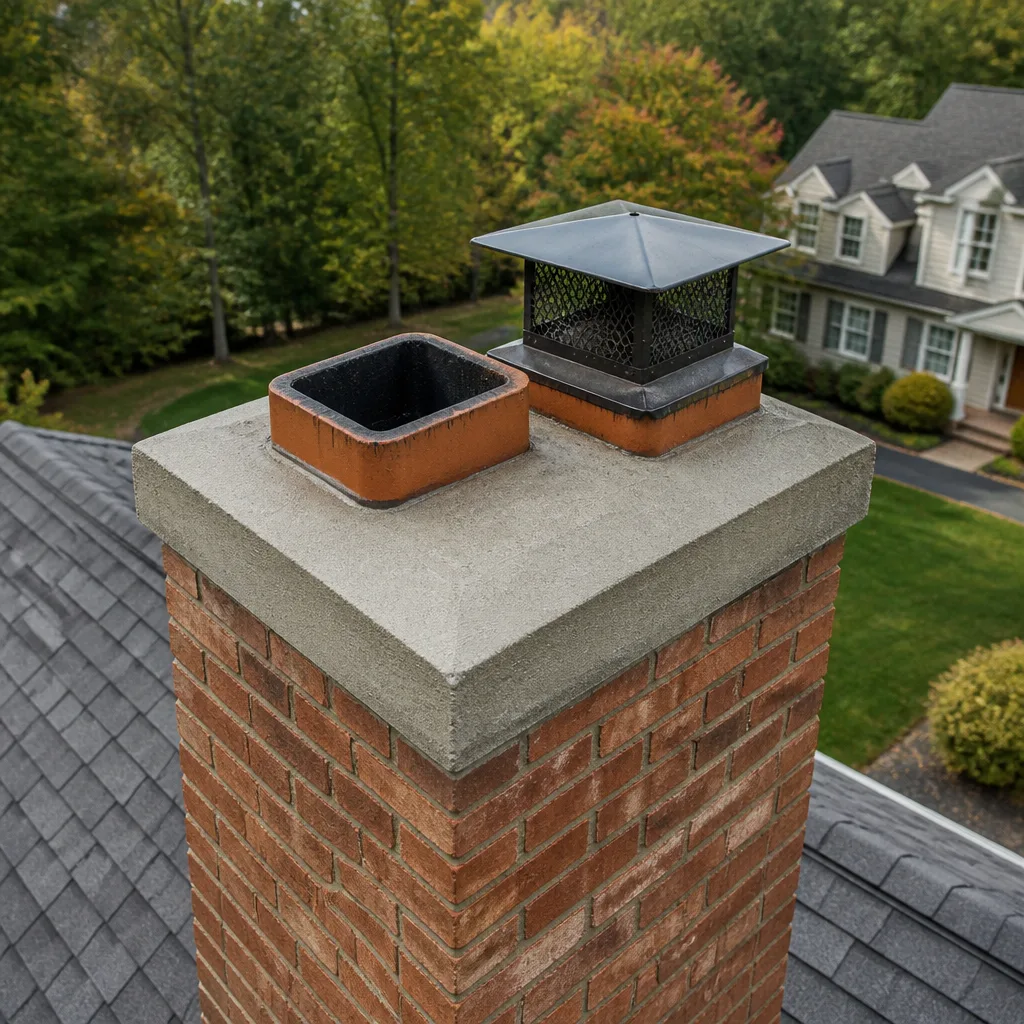 Sweep & inspection
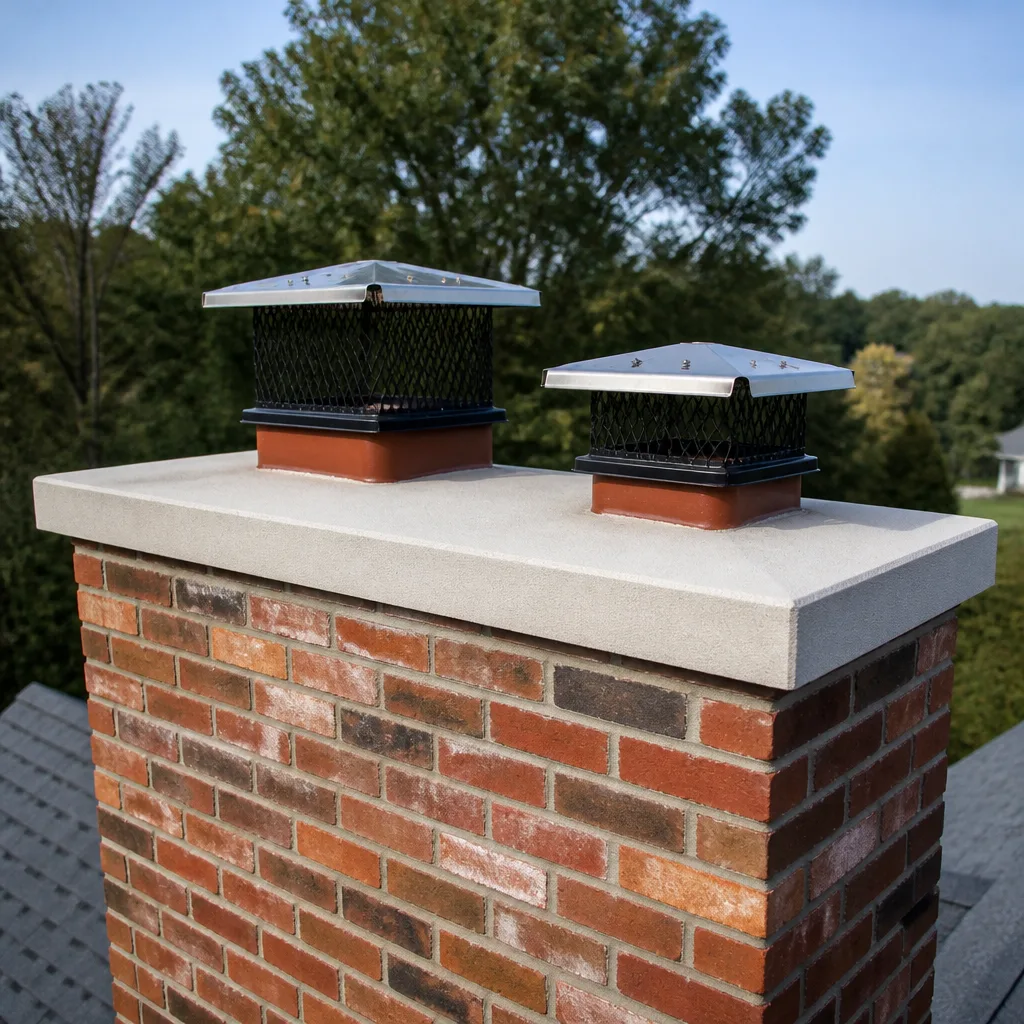 Caps & crowns
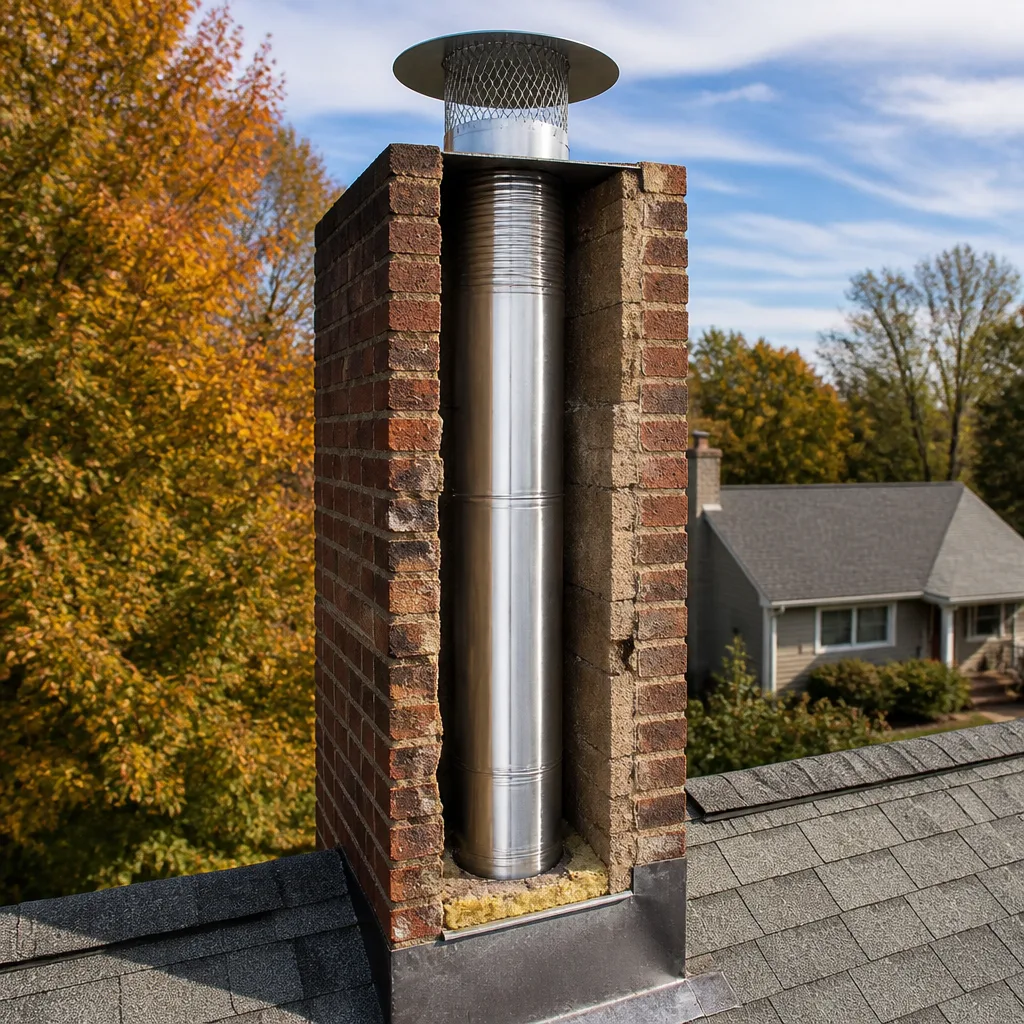 Flue relining
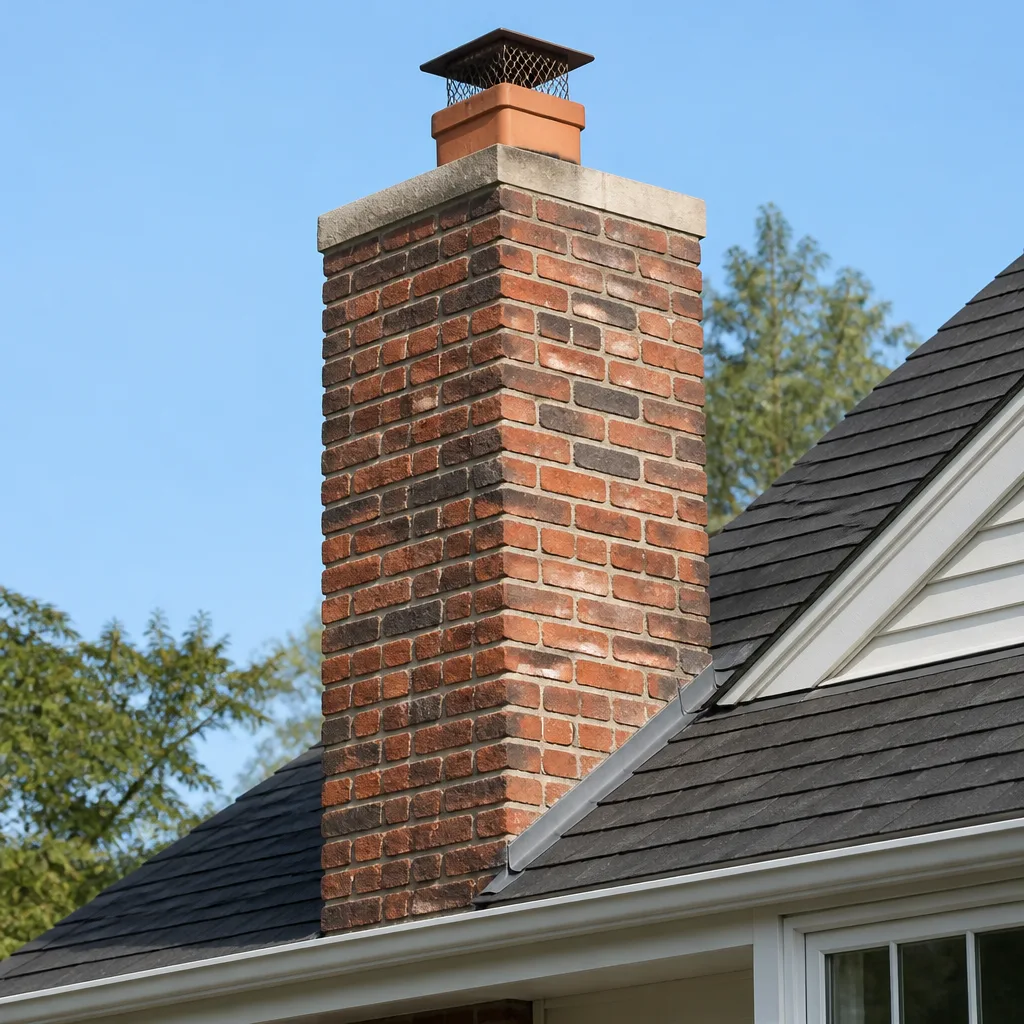 Masonry repair
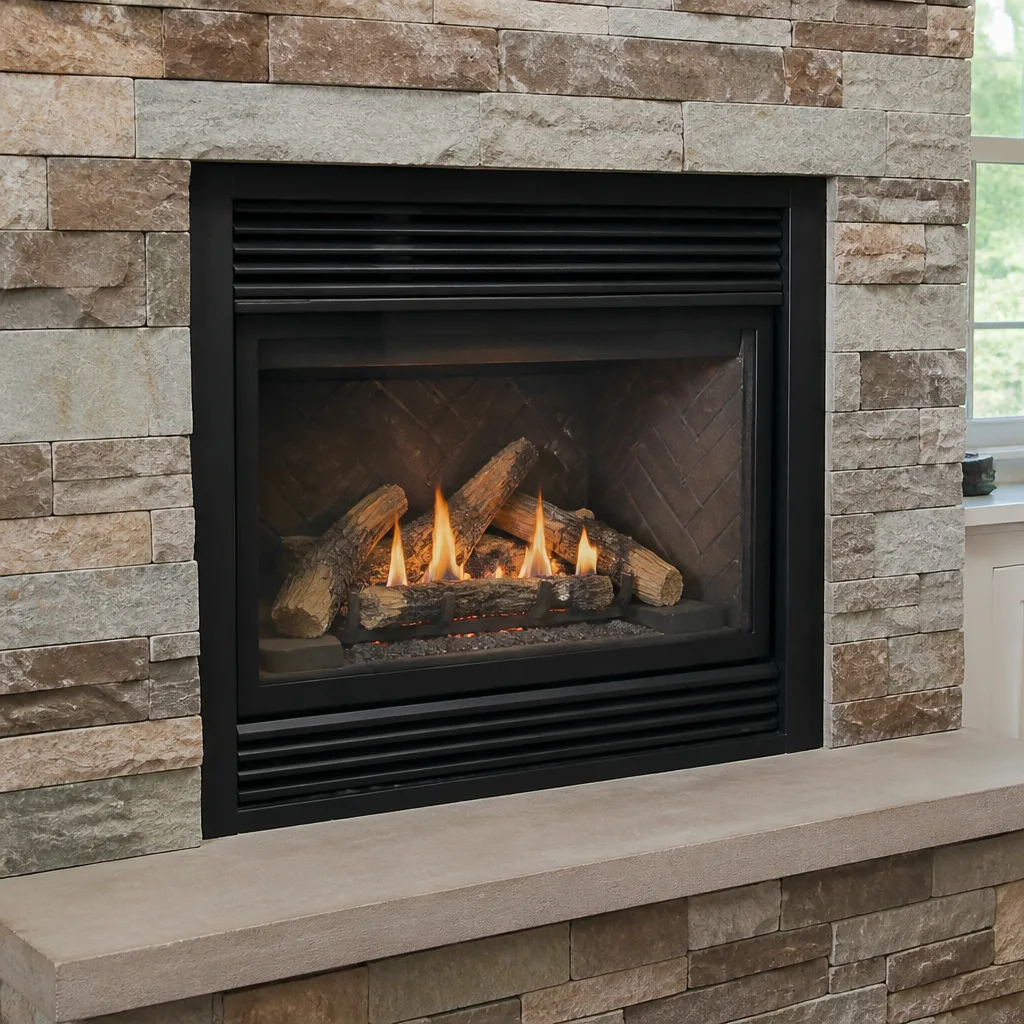 Gas fireplace service
Level 1 sweep and inspection to the NFPA 211 annual standard - flue, crown, cap, and flashing checked and photographed
Chimney sweep logs do not sweep chimneys. They loosen some creosote - which then falls where a brush and vacuum still have to collect it.
Seasonal Chimney Cleaning Care for Henderson: Year-Round Homeowner’s Guide
Most chimney maintenance calendars you’ll find online were written for places with four real seasons and a fireplace that burns from October through March. Henderson doesn’t work that way. Our winters are short and intermittent, our summers stretch from May into October, and the damage that happens to a chimney system here has less to do with creosote buildup and more to do with heat, dust, and long periods of total inactivity. This guide resets the maintenance clock to match how people in Henderson actually use their fireplaces, and explains what to do in every stretch of the year to keep your chimney safe without paying for services you don’t need yet.
Styles & brands we work with
Quick Answer
In Henderson, the most important chimney maintenance period is late spring through early fall, not the weeks before winter. The intense summer heat degrades mortar joints, damper hardware, and prefab fireplace components while your chimney sits unused, and the compressed winter burn season means creosote accumulates faster during back-to-back burn nights than it would over a slow, steady heating season. Schedule a professional sweep and inspection once a year between September and early November, and do a few simple off-season checks yourself from May through August. See our Chimney Cleaning Warning Signs: A Henderson Homeowner’s Reference Guide for what to watch for.
Table of Contents
- Why Henderson’s Burn Season Changes the Rules
- The May Through September Off-Season Checklist
- How Summer Heat Damages Chimney Systems Invisibly
- Why Short, Intense Winters Create Faster Creosote Buildup
- The Spring Moisture Check Almost Everyone Skips
- How to Schedule Sweeps So the Paperwork Matches Your Burn Window
- What You Can Safely Check Yourself vs. What Needs a Professional
- Common Mistakes to Avoid
- When to Call a Professional
- Frequently Asked Questions
- The Bottom Line
Why Henderson’s Burn Season Changes the Rules
The standard “clean before winter” advice assumes a heating season that starts in October. In Henderson, where temperatures can still hit 90°F in late October and fireplaces often sit unused until December, that window is compressed to six weeks or less. That changes two things: when you should schedule service, and how quickly creosote becomes a problem once you do start burning.
Here’s what a typical Henderson burn season actually looks like. Most households light their first fire of the year somewhere between Thanksgiving and mid-December, when nighttime lows finally dip into the 40s. They burn on maybe 15 to 25 nights total, concentrated in December, January, and February. By early March, daytime highs are back in the 70s and the fireplace goes dark again for seven or eight months. That pattern, short bursts of use followed by long idle stretches, is exactly what national maintenance calendars fail to account for.
A slow, steady heating season gives creosote time to form in thin layers that a standard sweep removes easily. A compressed season like Henderson’s means you might burn four or five nights in a row, which builds creosote faster because the flue never fully cools and dries between fires. The result is a thicker, stickier deposit that forms in a matter of weeks, not months. Our team has seen Henderson chimneys with as much Stage 2 creosote after one short winter as you’d expect to find in a colder climate after a full season of regular use.
That’s why we recommend Henderson homeowners think in terms of two service windows, not one. The primary window for a Chimney Sweep in Henderson is September through early November, before the burn season starts. But if you burn more than a couple nights a week during January and February, a mid-season visual check is worth considering too. You don’t necessarily need a full sweep mid-winter, but you do need to know what’s building up in there before it becomes a chimney fire risk.
The May Through September Off-Season Checklist
Most Henderson homeowners completely ignore their chimney from spring through fall. That’s understandable, the fireplace isn’t in use and there’s no visible reason to think about it. But those idle months are when a chimney system quietly degrades, and the damage done during the hottest stretch of the year is often invisible until the first fire reveals it.
Here’s what to do during the off-season, in order of importance:
- Check the chimney cap from the ground. You’re looking for any visible rust, missing sections, or a cap that’s tilted or loose. The cap is your first line of defense against birds, rodents, debris, and rain. In Henderson’s dry climate, rust is less of a concern than UV degradation of the screen mesh, which gets brittle and can tear, letting birds into the flue.
- Look for signs of animal activity. Listen for scratching sounds from the fireplace area, check for droppings or nesting material in the firebox, and watch for birds flying in and out of the chimney. Spring is nesting season, and a chimney without a proper cap or with a damaged cap is an open invitation for birds and squirrels. Once an animal nests, you need professional removal and exclusion work, not just a sweep.
- Inspect the exterior mortar joints visually. Walk around your house and look at the chimney’s outer surface, especially where it meets the roofline. Cracks in mortar joints, spalling brick faces, or a water line that’s discolored near the chimney are all signs that water is getting in. Henderson’s freeze-thaw cycles are mild compared to northern climates, but the heat itself causes expansion and contraction that slowly breaks down mortar.
- Check the damper operation. Open and close the damper a few times and feel for resistance or hang-ups. A damper that doesn’t open fully or close fully is a problem whether it’s spring or winter. In the off-season, a damper that won’t seal lets hot outside air pour into your house all summer, which is why so many Henderson homeowners notice their air conditioning working harder than it should.
- Note any new odors. A chimney that smells musty or sour during the summer is usually a moisture problem. It means water is finding its way in and sitting somewhere it shouldn’t be, often in the ash bed or behind the firebox walls. That smell is an early warning sign that can save you a much bigger repair bill if caught soon enough.
None of these checks take more than ten minutes, and none of them require getting on the roof. If anything looks off or you’re not sure what you’re seeing, that’s the time to call for a professional Chimney Inspection in Henderson. A Level 1 inspection runs $99 to $249 in this area and will tell you exactly what’s going on without any guesswork.
How Summer Heat Damages Chimney Systems Invisibly
Henderson routinely sees 100°F-plus days from June through September, and that heat does specific, predictable things to chimney materials. The damage doesn’t happen all at once. It accumulates over years of summer exposure, and most homeowners never notice until something fails.
The biggest heat-related issue we see is mortar joint degradation. Mortar expands when it’s hot and contracts when it cools, and in Henderson, that cycle happens hundreds of times over a single summer. The problem is especially pronounced on the south-facing and west-facing sides of a chimney, where direct afternoon sun hits hardest. Over time, the mortar pulls away from the brick, hairline cracks form, and water begins to penetrate. By the time those cracks are visible from the ground, the damage is usually well underway.
Damper hardware is another common heat casualty. Most dampers are made of cast iron or steel, and the constant expansion and contraction of Henderson summers can warp the frame or break the hinge mechanism. A damper that’s stuck open all summer lets cooled air escape into the flue, and a damper that’s stuck closed when you try to light your first December fire creates a smoke-filled living room. Neither is a fire hazard by itself, but both are avoidable with a spring check.
Prefab fireplaces, the factory-built metal units common in many Henderson homes built since the 1980s, have their own heat-related vulnerabilities. The metal panels inside these units warp under extreme temperature swings, and the high-temperature sealant around the pipe joints can crack and separate after years of Henderson summers. When that sealant fails, the unit can leak combustion gases into the wall cavity, which is a serious safety issue that most homeowners won’t detect on their own.
UV damage is the third factor. Henderson gets more than 290 sunny days per year, and that solar radiation breaks down chimney cap screens, rubber flashing boots, and exterior sealants faster than in almost any other climate in the country. A chimney cap that looks fine after two years in a coastal climate may need replacement after four or five Henderson summers. When you hire us for any repair, we specify materials that hold up to high-UV environments, including Copperfield caps and chase covers, which are built to handle exactly this kind of exposure.
Why Short, Intense Winters Create Faster Creosote Buildup
Creosote forms when wood smoke cools and condenses on the inside of the flue. The hotter the fire and the better the airflow, the less creosote forms. The cooler the flue and the more the fire smolders, the more creosote builds up.
In a colder climate with a long heating season, the flue stays warm for months at a time. Homeowners burn daily or near-daily, the chimney reaches a stable operating temperature, and creosote builds up slowly. In Henderson, the pattern is the opposite. Your chimney sits cold for eight months, then gets lit four nights in a row during a January cold snap. Each night, the flue has to heat up from ambient temperature, which means the first hour of every fire produces more condensation and more creosote than a fire in an already-warm chimney.
Back-to-back burn nights compound the problem. When you light a fire four nights in a row, the creosote from the first night doesn’t get a chance to dry out before the second night’s fire adds another layer. That creates a sticky, tar-like deposit that’s harder to remove and more flammable than the dry, flaky creosote that forms during steady use. In our experience, Henderson fireplaces that are used heavily during a short winter can develop Stage 2 creosote, the glazed, tarry kind that requires mechanical removal with special tools, in half the number of burns it would take in a colder climate.
What this means practically: if you burn more than two or three nights per week during December and January, you should get a mid-season visual check. That doesn’t necessarily mean a full sweep. It means a technician looks down the flue with a camera to see what’s building up and tells you whether the chimney is safe to keep burning. The camera inspection is included when we do a sweep, and you’ll see the photos yourself before any work is recommended.
The type of wood you burn matters too. Henderson has limited local hardwood supply, and a lot of homeowners end up burning softwoods like pine or fir from big-box stores. Softwood burns faster and cooler, which produces more smoke and more creosote than a dense hardwood like oak or almond. If you’re burning softwood in a Henderson winter, you should assume creosote buildup is happening faster than the national averages suggest.
The Spring Moisture Check Almost Everyone Skips
If there’s one maintenance item Henderson homeowners skip that causes the most damage by fall, it’s the post-season moisture check. Here’s why it matters so much here.
At the end of a burn season, there’s ash and creosote inside the flue. When rain, sprinkler overspray, or even high humidity gets into the chimney, that residue absorbs water and creates an acidic slurry that sits against the flue liner. In a humid climate, this happens constantly and homeowners are more aware of it. In Henderson’s dry air, people assume moisture isn’t an issue, and they stop thinking about the chimney entirely after the last fire goes out.
But Henderson does get rain, about 4 to 5 inches per year on average, and the summer monsoon season can bring sudden downpours between July and September. When that water gets into a chimney that still has winter creosote coating the liner, it doesn’t just dry out. It reacts with the creosote to form acids that eat away at masonry and accelerate corrosion in metal liners and dampers. By the time fall arrives, the damage is done and usually invisible until an inspection reveals it.
The spring moisture check is simple: after your last fire of the season, schedule a sweep. That removes the creosote before the monsoon rains arrive. Then do a visual check of the cap and flashing after the first heavy summer rain, looking for water stains on the ceiling near the chimney or damp spots in the firebox. If you see any, the water is getting in somewhere and needs to be addressed before the next burn season.
This is also the right time to check for what’s called spalling, the flaking or chipping of brick faces caused by water trapped inside the masonry. Spalling is slow-moving, but once it starts, it only gets worse. In Henderson’s climate, a masonry chimney with untreated spalling can become structurally unstable within a decade. A $99 to $249 inspection catches it early; a full rebuild catches it late.
How to Schedule Sweeps So the Paperwork Matches Your Burn Window
Most chimney companies will tell you to schedule a sweep once a year, which is correct but incomplete. When you schedule it matters as much as whether you schedule it.
In Henderson, the ideal window for an annual Chimney Sweep in Henderson is between mid-September and the first week of November. That timing puts you ahead of the rush, gives you a clean flue before the first fire, and most importantly, leaves any repair work enough time to be completed before you actually need to use the fireplace. If your chimney needs a new liner or a damper replacement, you want that work done in October, not discovered in mid-December when every chimney company in the valley is booked out three weeks.
Here’s the sequence we recommend for Henderson homeowners:
- Schedule your annual sweep and inspection between September 15 and November 1. This clears out the previous season’s creosote and catches any off-season damage from heat, animals, or moisture before it becomes a winter emergency.
- If any repairs are recommended, get a written scope and price that day. At Flint Chimney Co Henderson, every repair gets a written price before any work starts, no exceptions. You approve the number, and the number on the final invoice is the number you approved.
- Complete repairs in October or early November. This gives you a full month of buffer before the typical Henderson burn season starts in December, and it means your guarantee dates align with the beginning of the season rather than the middle of it.
- If you burn heavily during January, schedule a mid-season visual check. This takes 30 minutes, tells you exactly what’s in the flue, and lets you keep burning with confidence or stop burning before things get risky.
- After your last fire of the season, decide whether a second sweep is warranted. If you burned 20 nights or more, a spring sweep is a good investment. It removes the creosote before monsoon season and gives you a clean chimney for the summer.
The guarantee question matters here too. Every repair we do at Flint Chimney Co Henderson carries a written 365-Day Done Right Promise. If a covered repair fails within one full year of the service date, we come back and fix it at no charge. When you schedule your inspection in September and your repairs in October, that guarantee covers your entire burn season, all the way through the following September’s inspection. That’s the kind of alignment that matters when you’re paying real money for chimney work.
What You Can Safely Check Yourself vs. What Needs a Professional
There’s a clear line between homeowner-level checks and professional-level work, and crossing it can be dangerous. Some chimney components, especially high-tension springs on some damper assemblies and the structural parts of the flue system, can cause serious injury if mishandled. We’ll lay out exactly where that line is.
Safe to check yourself from the ground:
- Visual condition of the chimney cap: is it straight, rusted, or missing sections?
- Evidence of animal activity: droppings, nesting material, scratching sounds, birds entering or leaving.
- Visible cracks in the exterior mortar joints or brick faces.
- Damper operation: does the handle move smoothly and does the damper open and close fully?
- Water stains on ceilings or walls near the chimney after rain.
- Smoke entering the room when you light a fire, which indicates a draft or airflow problem.
Leave to a trained professional:
- Any work that requires getting on the roof. Henderson roofs are steep, and falls are a leading cause of home-accident injuries. A professional has the right harness equipment and training.
- Camera inspection of the flue interior. You cannot see creosote buildup, cracks in the liner, or blockages without a camera and the training to interpret what it shows.
- Any repair involving the flue liner, damper assembly, firebox repair, or chimney crown. These are structural components, and a failed repair can create a carbon monoxide or fire hazard inside your home.
- Animal removal and exclusion. Birds and rodents in a chimney carry disease risk, and attempting to remove them yourself often results in the animal dying inside the flue, which creates a different set of problems.
- Chimney cap installation. The cap needs to be sized and secured correctly, and that means getting on the roof with the right fasteners and sealant.
The line we draw is simple: if it requires a ladder, a tool, or a decision about whether something is safe, call a professional. A visual check from the ground is free and easy. Everything else is what we’re licensed and insured for.
Common Mistakes to Avoid
- Skipping the spring sweep because “we only burned a few times.” Even 10 or 15 fires in a Henderson winter leaves enough creosote to create a moisture problem during monsoon season. The sweep is cheaper than what that moisture does to your liner over a summer.
- Waiting until November to schedule an inspection. By late November, the best chimney companies in Henderson are booked weeks out. You’ll either wait too long, which delays your first fire, or you’ll settle for whoever has an open slot.
- Assuming a new-looking chimney doesn’t need an inspection. Prefab units from the 1990s and early 2000s are hitting the age where their internal components start failing, and the damage is almost never visible from the outside. Burn-season problems with these units are the single most common surprise we find.
- Burning softwood from big-box stores without adjusting expectations. Pine and fir produce more creosote per fire than dense hardwoods. If that’s what you burn, you should probably get two sweeps per year instead of one.
- Ignoring a damper that feels sticky or doesn’t seal. A damper that won’t close fully is costing you money all summer by letting cooled air escape. A damper that won’t open fully is a smoke and carbon monoxide risk in winter. Either way, it’s a cheap fix compared to what it costs to ignore.
- Using the fireplace to burn anything other than wood. This should go without saying, but we see it in Henderson more than you’d expect. Burning trash, painted wood, or construction debris creates toxic fumes and corrosive deposits that damage the flue and can poison your indoor air. Don’t do it.
- Trusting a chimney company that gives a quote over the phone without seeing the chimney. No legitimate company can price a chimney repair without an inspection. Anyone who does is either guessing high to cover themselves or planning to raise the price when they arrive. At Flint Chimney Co Henderson, every price is written, specific, and delivered before any work starts.
When to Call a Professional
Call a professional if you see any of the following: visible cracks in the chimney’s exterior masonry, a chimney cap that’s missing or damaged, evidence of animals in the chimney, water stains on ceilings or walls near the fireplace after rain, smoke entering the room when you light a fire, or a damper that won’t open or close properly. Also call if you’ve lived in the home more than a year and have never had the chimney inspected. An unmaintained chimney is always an unknown, and unknowns are where expensive problems hide.
Flint Chimney Co Henderson offers free estimates for sweeps, inspections, and repairs throughout Henderson. Our technicians are background-checked and uniformed, and every job gets a written price before any work begins. Call (775) 375-4267 to schedule.
Frequently Asked Questions
A standard chimney sweep in Henderson typically runs $149 to $299, depending on the chimney’s condition, accessibility, and how much creosote has built up. For a detailed look at what drives these numbers, see our Chimney Cleaning Cost Breakdown: The Henderson Homeowner’s Reference for 2026. A Level 1 inspection, which includes a camera check of the flue, runs $99 to $249 in this market. Any repairs found during the sweep are priced separately, and at Flint Chimney Co Henderson, you get a written quote before any repair work starts. Call (775) 375-4267 for an exact quote, estimates are free.
For most Henderson homeowners, once per year is enough, scheduled between September and early November before the burn season starts. If you burn more than two or three nights per week during December and January, or if you burn softwood like pine or fir, you may need a second sweep around mid-winter. The rule of thumb from the National Fire Protection Association is to sweep whenever creosote reaches 1/8 inch thick, and the only way to know if you’re there is a camera inspection.
Not necessarily, but a liner that “looks fine” from the top isn’t the same as a liner that’s intact on the inside. Flue liners crack, separate, and corrode in ways that are only visible with a camera inspection. When a liner does need replacement, it’s because there’s a documented safety issue, not because a company wants to upsell you. If a repair is recommended, ask to see the camera footage, any legitimate company will show it to you. If the liner is intact and functioning, we’ll tell you that too and recommend you hold off.
Skipping sweeps allows creosote to accumulate, and creosote is flammable. The thicker the buildup, the higher the risk of a chimney fire, which can crack the flue liner, damage the chimney structure, and spread to the rest of the house. Skipped sweeps also allow blockages from animal nests or debris to go undetected, which can force carbon monoxide back into your living space. The sweep is a couple hundred dollars. The worst-case outcomes cost tens of thousands.
You can buy a brush kit and run it up the flue, but without a camera to inspect the result, you won’t know if the creosote is actually gone, especially if it’s the glazed Stage 2 type that brushes can’t remove. You also won’t catch liner cracks, animal damage, or cap problems that a professional inspection would find. Most importantly, doing it yourself means getting on the roof without training or fall protection. The risk outweighs the savings for nearly every homeowner in Henderson. Call (775) 375-4267 for a professional sweep and inspection instead.
Schedule a professional inspection with camera verification every year before burn season. For more guides & resources on keeping your chimney safe year-round, explore our blog. Not necessarily a sweep, not necessarily a repair, but an inspection. It’s $99 to $249, it takes about an hour, and it tells you exactly what condition your chimney is in. If the inspection says you’re clean, you skip the sweep and save the money. If the inspection finds something, you deal with it in October instead of discovering it by surprise in January. Call (775) 375-4267 to schedule.
The Bottom Line
Henderson’s chimney maintenance calendar is different from what the national advice assumes. Your biggest risks come from summer heat and winter compression, not from the slow creosote buildup of a long, steady heating season. Schedule your annual inspection between September and early November, do a quick off-season check from the ground each spring, bring in a professional for anything that requires a ladder or a decision about safety, and make sure every repair comes with paperwork you can hold someone to. That’s what this guide is for, and that’s what Flint Chimney Co Henderson home is built on: written prices before the work starts and a guarantee that actually means something. If you need a sweep, an inspection, or a second opinion on a repair quote, call (775) 375-4267. We’ll give you a straight answer and a written price.
Written by Hank Delano, Owner at Flint Chimney Co Henderson, serving Henderson since 2002.
See the difference
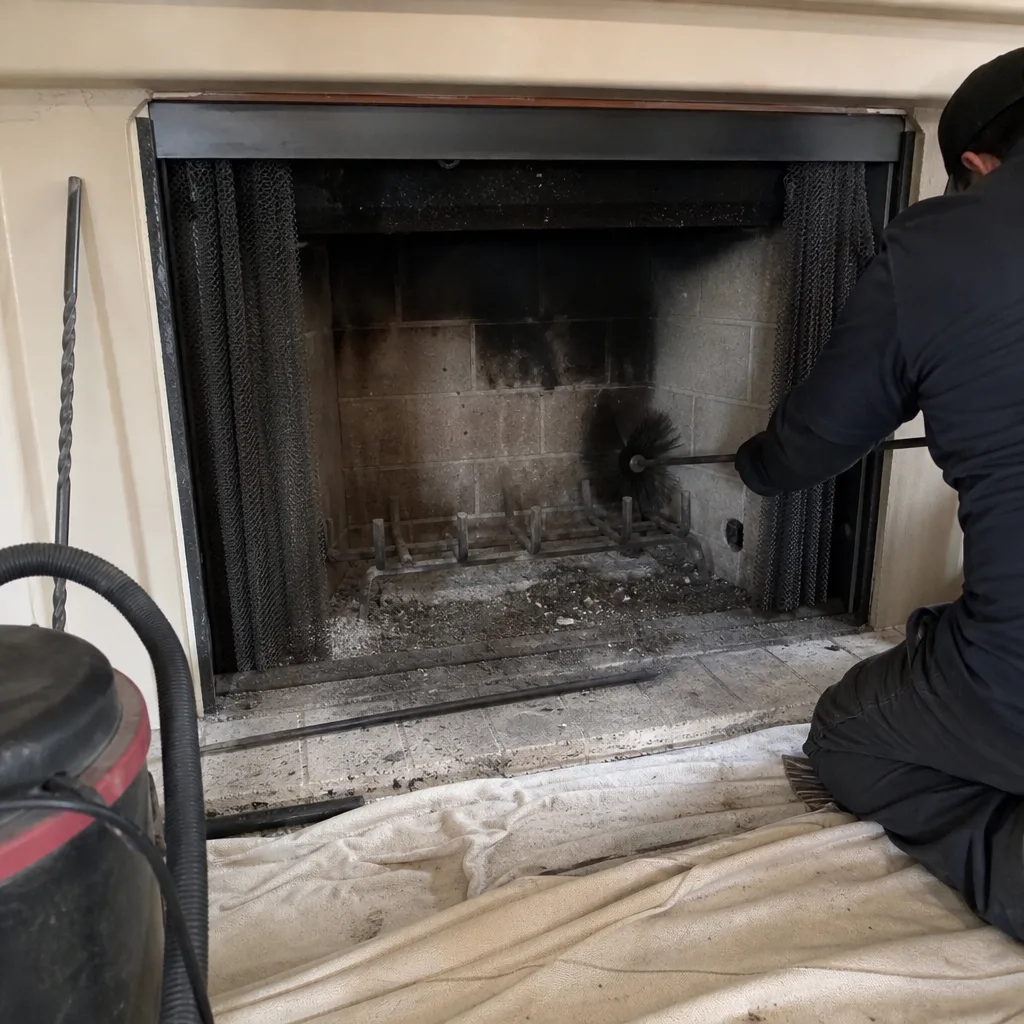 Before
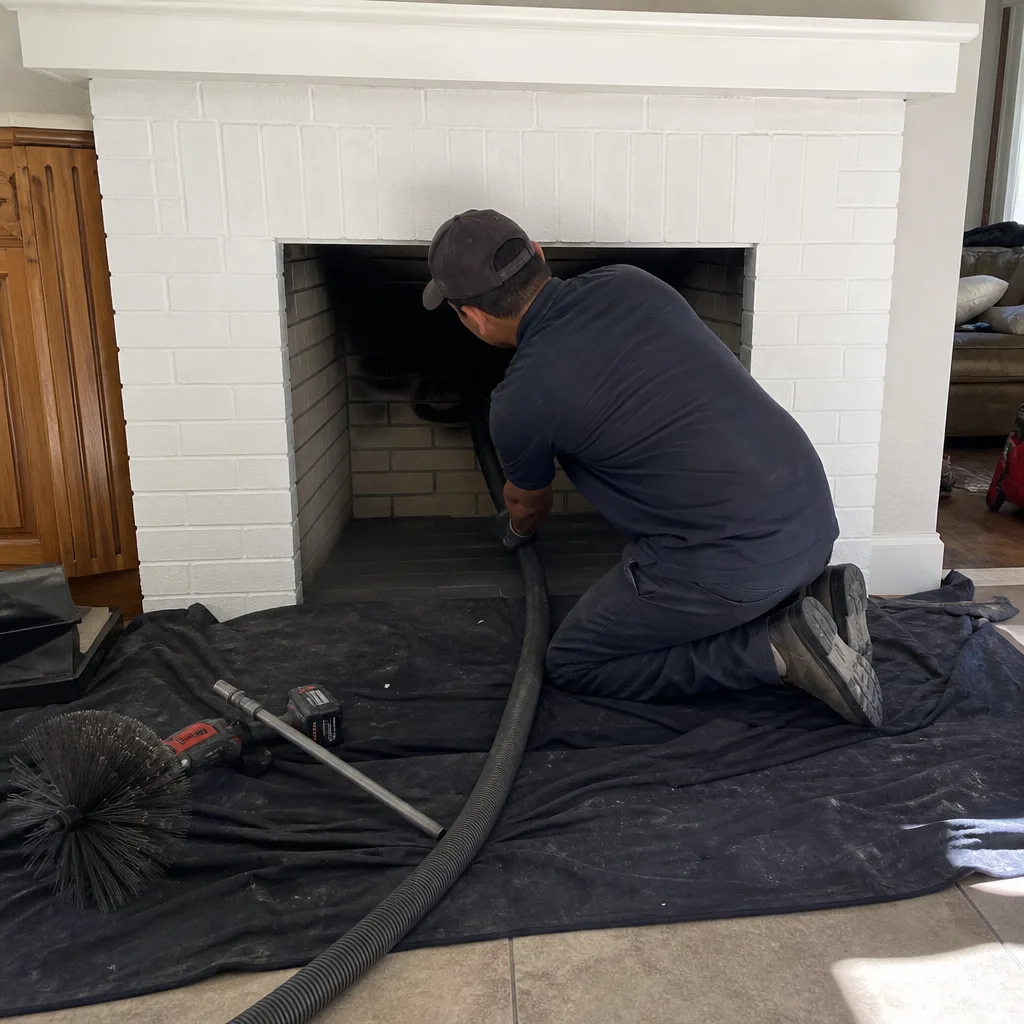 After
After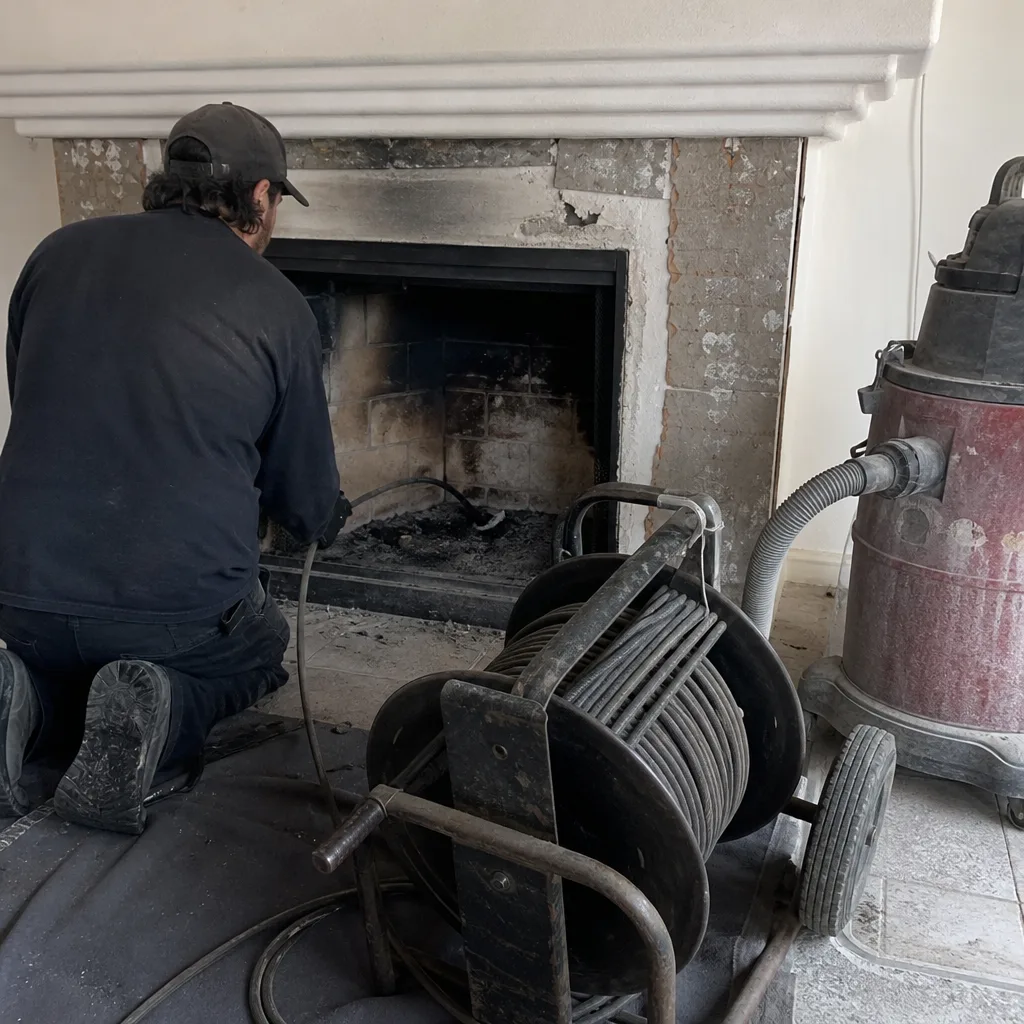 Before
 After
After Before
 After
After