

Last updated October 15, 2026
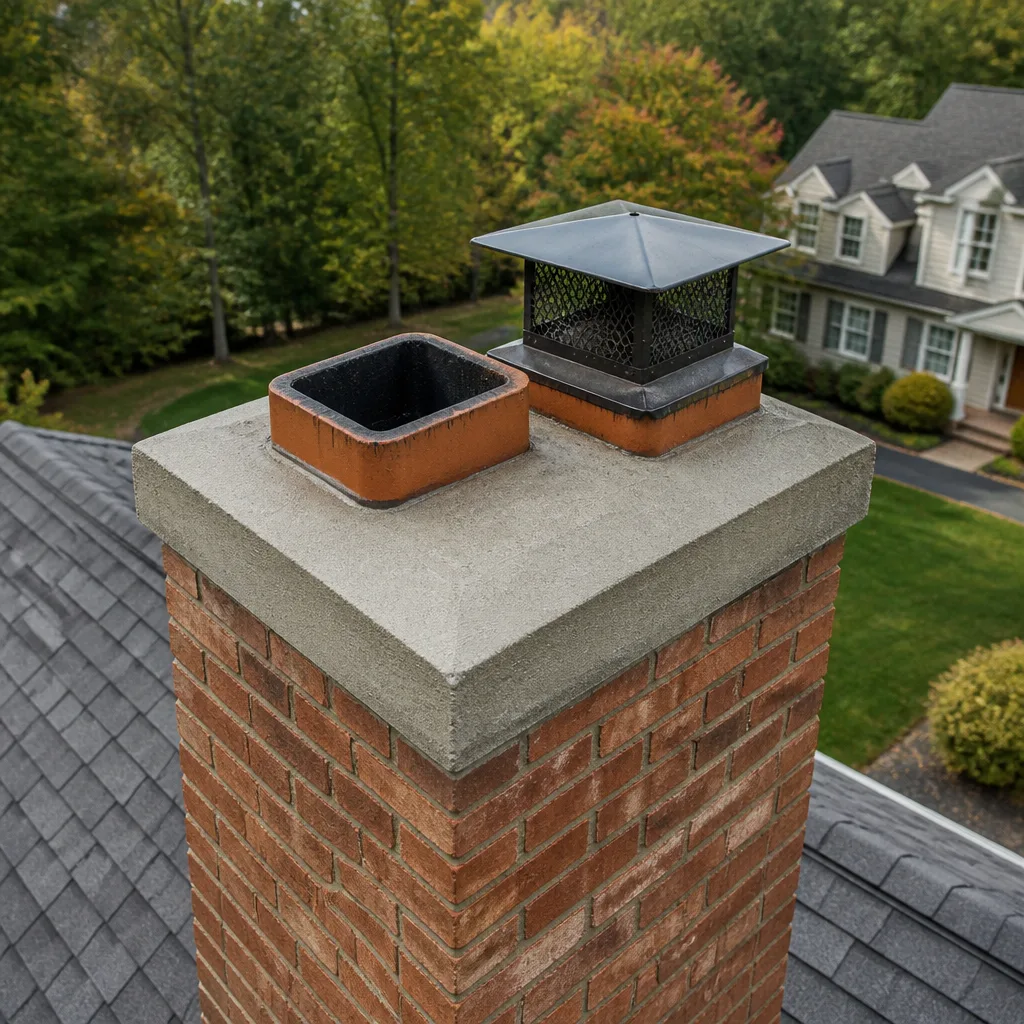 Sweep & inspection
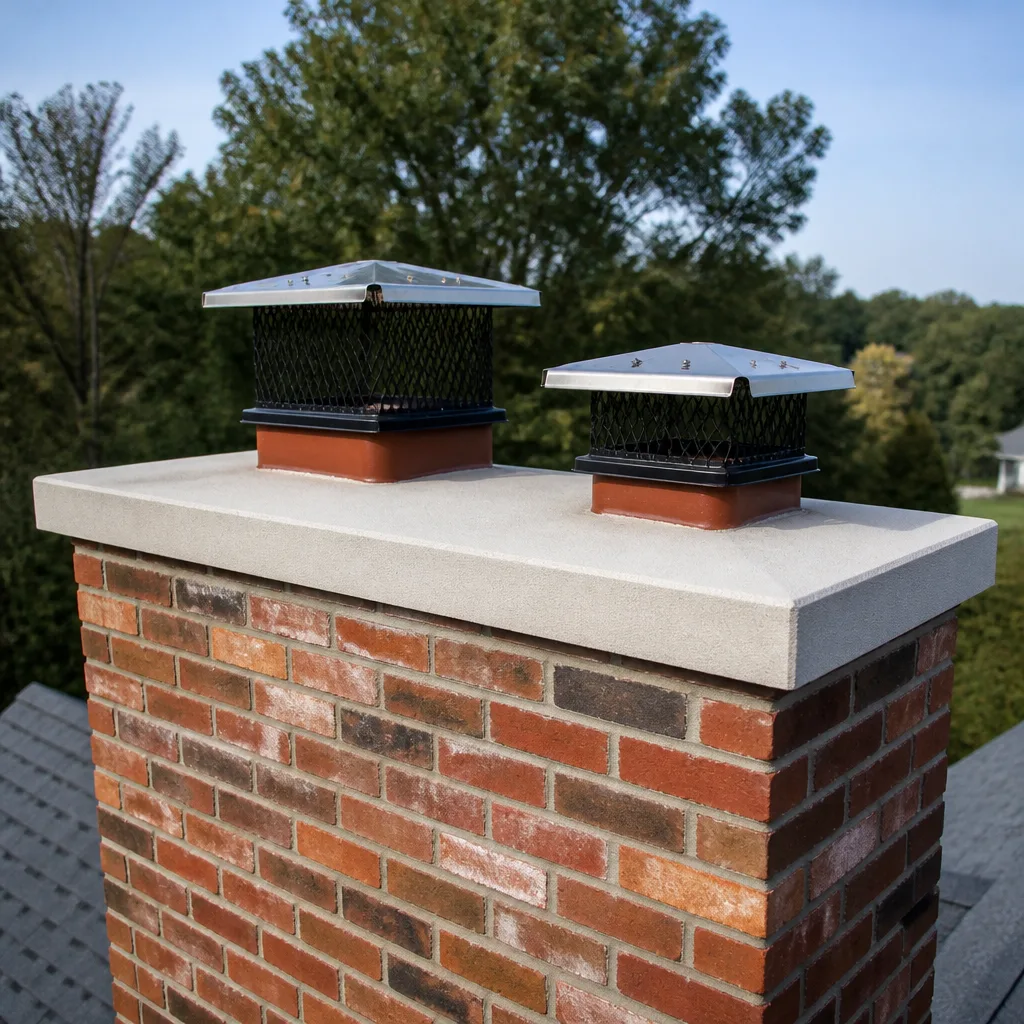 Caps & crowns
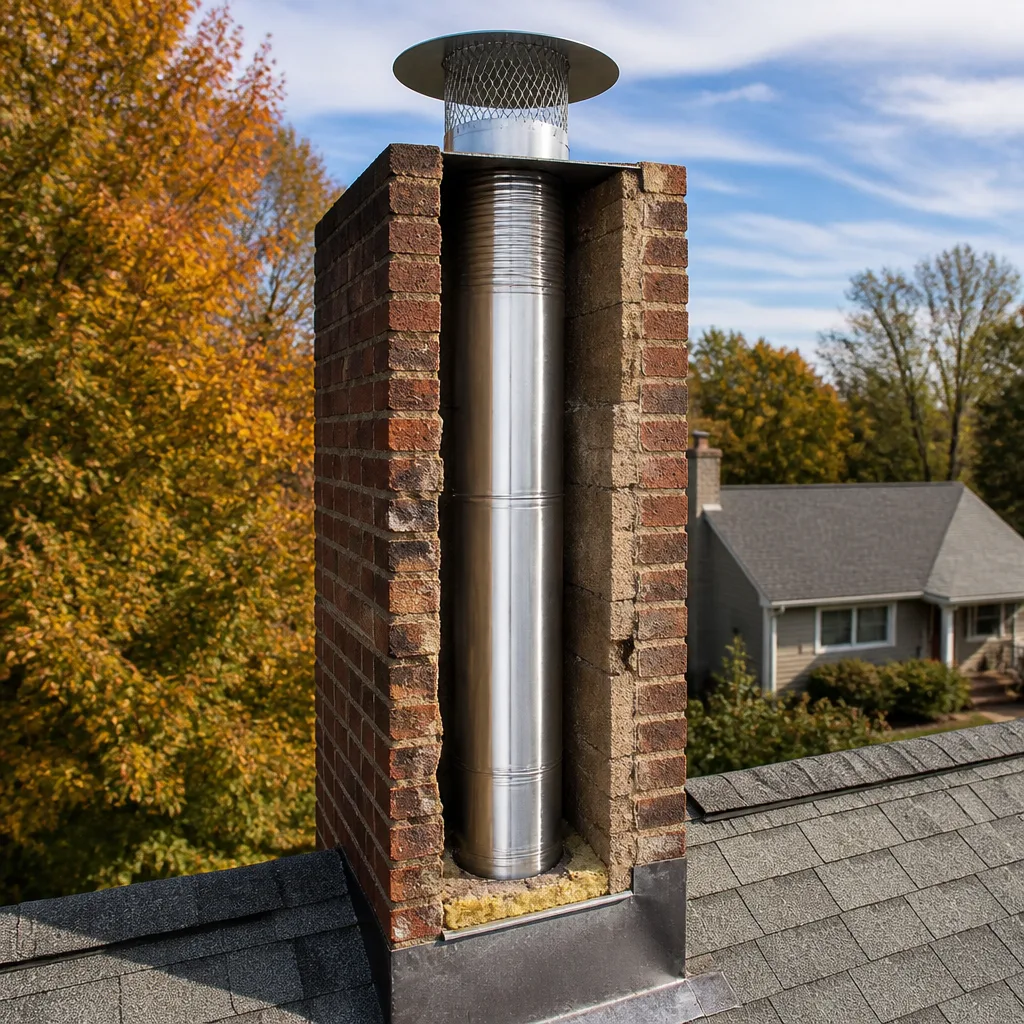 Flue relining
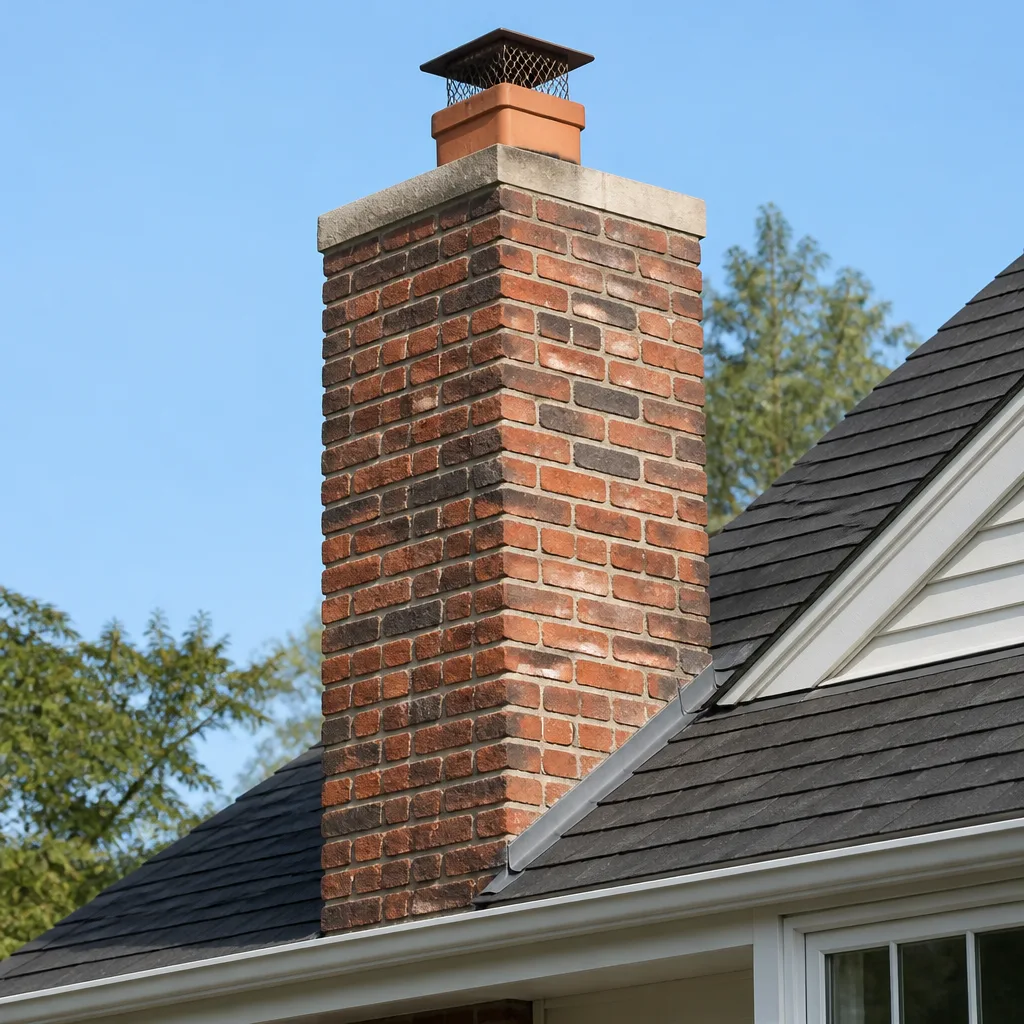 Masonry repair
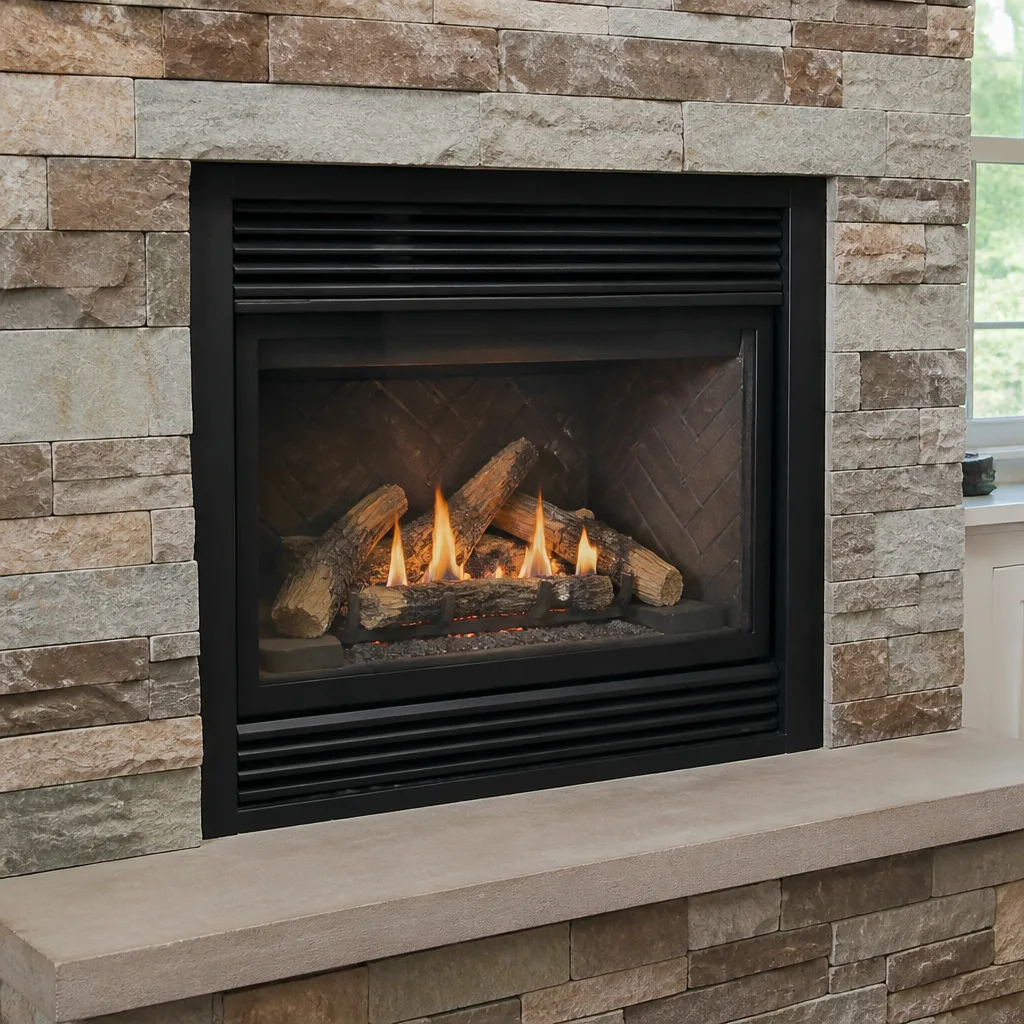 Gas fireplace service
Level 1 sweep and inspection to the NFPA 211 annual standard - flue, crown, cap, and flashing checked and photographed
Chimney sweep logs do not sweep chimneys. They loosen some creosote - which then falls where a brush and vacuum still have to collect it.
Chimney Cleaning Permits, Codes & Inspections in NV: What You Need to Know
In Nevada, most chimney sweeping falls under routine maintenance, which the code treats the same way it treats mowing your lawn: no permit, no inspection, no paperwork. But the line between maintenance and modification is thin, and Henderson homeowners cross it all the time without realizing it. Replacing a liner, enlarging a firebox opening, or rebuilding any part of the flue structure can trigger a Clark County building permit requirement. This guide draws that line in plain language, explains the operative code standard (NFPA 211) and what the three inspection levels actually mean, and serves as The Complete Guide to Chimney Cleaning in Henderson for homeowners who want to understand what happens to unpermitted work when it’s time to sell.
Styles & brands we work with
Quick Answer
Routine chimney sweeping and Level 1 visual inspections in Henderson do not require a permit. A permit is required for structural alterations such as replacing a chimney liner, modifying a firebox, rebuilding a masonry flue, or changing the venting configuration. If unpermitted work is discovered during a home inspection, title transfer can stall or require corrective action before closing.
Table of Contents
- What Needs a Permit in Clark County and What Doesn’t
- NFPA 211: The Operative Code Standard for Nevada Chimneys
- Level 1, 2, and 3 Inspections Explained in Plain Terms
- How Unpermitted Chimney Work Affects Title Transfer in Nevada
- What a Contractor Must Disclose About Code Deficiencies
- How to Verify a Permit Was Closed Out – and What to Do if It Wasn’t
- Common Mistakes to Avoid
- When to Call a Professional
- Frequently Asked Questions
- The Bottom Line
What Needs a Permit in Clark County and What Doesn’t
The first thing to understand is that Clark County treats chimneys as part of the building envelope, not as standalone appliances. That means the county’s building permit requirements apply to the chimney structure and the flue system the same way they apply to a wall or a roof. Routine service work is exempt. Alteration work is not.
Here’s the breakdown in practical terms. A standard Chimney Sweep in Henderson removes creosote buildup from the flue walls and clears debris from the smoke chamber, damper, and firebox. This is maintenance. The county does not require a permit for it, and no inspection is triggered afterward. A Chimney Inspection in Henderson, regardless of the level, is a diagnostic service. It doesn’t change the structure, so it doesn’t trigger a permit either.
What does trigger a permit:
- Chimney liner replacement or relining. If you’re replacing a clay tile liner or installing a stainless steel liner like DuraFlex, that’s a material alteration of the flue system. Clark County requires a building permit for this.
- Firebox modification. Widening an opening, changing the firebox dimensions, or rebuilding the firebrick walls inside the firebox is structural work.
- Flue reconstruction. Tearing down and rebuilding any portion of the masonry flue, including the crown or the chimney above the roofline, requires a permit.
- Venting configuration changes. If you convert a wood-burning fireplace to gas and need to change the venting path, install a new cap system, or reroute the flue, that’s a permit event.
- Damper replacement that changes the throating. Swapping a standard damper for a top-sealing damper is typically fine, but if the throating or smoke shelf is being altered in the process, that crosses into permit territory.
In Henderson specifically, the permitting authority is the City of Henderson Building Division working in coordination with Clark County. The process is similar to unincorporated Clark County, but the inspectors are city inspectors. If you’re in a Henderson neighborhood like Green Valley, MacDonald Ranch, or Anthem, your permit for chimney work goes through the city.
The practical takeaway: sweeping and inspection never require a permit. Repairs that replace or alter structural components usually do. When you book a Chimney Repair in Henderson, the contractor should be able to tell you categorically whether the specific repair is maintenance or alteration work.
NFPA 211: The Operative Code Standard for Nevada Chimneys
Nevada adopts the International Residential Code (IRC) for most residential construction requirements, but for chimneys and venting specifically, the IRC references NFPA 211 as the recognized standard for chimney construction, inspection, and maintenance. NFPA 211 is the national fire safety standard that governs everything from flue sizing to clearances to inspection protocols. When a Henderson inspector evaluates chimney work, NFPA 211 is the yardstick.
Three things NFPA 211 addresses that matter to homeowners:
Clearance to combustibles
NFPA 211 specifies minimum distances between a chimney or flue and any combustible material like wood framing, drywall, or insulation. For most residential chimneys, the clearance is 1 to 2 inches depending on whether the chimney is interior or exterior and what materials are used. In Henderson’s older homes built before the 1990s, we regularly see clearances that were never framed correctly. This is a code issue that affects safety and resale value.
Flue sizing requirements
The interior diameter of the flue must be sized to match the appliance it serves. An oversized flue causes poor draft, smoke blowback, and accelerated creosote accumulation. An undersized flue is a fire hazard. NFPA 211 provides the sizing tables. A Henderson home’s altitude matters here too: at roughly 1,800 to 2,200 feet depending on the neighborhood, the air is thinner and combustion dynamics differ slightly from sea level. Flue sizing has to account for that.
Inspection and maintenance triggers
NFPA 211 sets the frequency and conditions for chimney inspections, and our Chimney Sweep Maintenance Checklist for Henderson Homeowners puts these requirements into practice. It states that chimneys should be inspected at least once annually and after any event that might have damaged the system: a chimney fire, a seismic event, a roof replacement, or a fuel type change from wood to gas. Southern Nevada’s monsoonal storms and the occasional microburst in the Las Vegas Valley can dislodge chimney caps and damage crowns, which is why a visual inspection after storm season makes sense here.
When we work on chimneys in Henderson, we reference NFPA 211 in our documentation because that’s the standard the city inspector will use if a permit is open on the job. It’s not a technicality. It’s the legal basis for whether a repair passes or fails.
Level 1, 2, and 3 Inspections Explained in Plain Terms
NFPA 211 defines three levels of chimney inspection. The level determines the depth of the inspection, what tools are used, and when each level is required. Here’s what each means in plain language.
- Level 1: Visual inspection of accessible areas. The inspector examines the readily accessible portions of the chimney interior and exterior using a flashlight and basic hand tools. No specialized equipment is required. A Level 1 inspection is appropriate when the chimney is being used under the same conditions as before: same fuel, same appliance, same usage pattern. If you’ve used your Henderson fireplace for years without issues and nothing has changed, a Level 1 inspection is sufficient.
- Level 2: Includes a camera scan of the flue interior. The inspector uses a specialized chimney camera to examine the full interior length of the flue, including areas not visible to the naked eye. A Level 2 inspection is required whenever there’s a change in use: selling the home, changing fuel type, replacing the appliance, or after a chimney fire or weather event. In Henderson, if you’re buying or selling, the home inspection process will almost always call for a Level 2 if the chimney shows any signs of use.
- Level 3: Destructive inspection. The inspector removes portions of the chimney or building structure to access concealed areas. This is done only when a Level 1 or Level 2 finds something that requires direct access: a cracked liner that’s affecting the flue, moisture intrusion inside a wall chase, or damage hidden behind the firebox. Level 3 is uncommon in routine situations and always follows findings that justify it.
In our experience, the Henderson housing market conditions often trigger Level 2 inspections. Homes here change hands frequently. If you’re buying a 1980s-era home in Green Valley or a 1990s home in Seven Hills, and the chimney has been used regularly, a Level 2 inspection is the prudent move before you close. It finds what a Level 1 misses.
How Unpermitted Chimney Work Affects Title Transfer in Nevada
Nevada law requires sellers to disclose material facts about the property, but enforcement is uneven and buyers often discover unpermitted work only after an inspector flags it during escrow. Chimney work is one of the most common places unpermitted modifications hide, because the work is often performed by handyman-level contractors who don’t pull permits as a matter of course.
Here’s how it plays out in a typical Henderson title transfer:
- The buyer’s home inspector flags a liner that looks newer than the rest of the system. The inspector may note that the liner appears to have been replaced recently but no permit record exists.
- The title company or buyer’s agent pulls the city’s permit history. If the chimney work required a permit and none was pulled, it becomes a title defect that must be resolved.
- The seller must either pull a retroactive permit (which triggers an inspection of the work) or renegotiate the sale price. Retroactive permits are not a rubber-stamp process. The city may require opening up the wall or flue to verify the work meets current code.
- In the worst case, the deal falls apart. We’ve seen Henderson escrows collapse over unpermitted chimney liner work, because the cost to bring the work into compliance exceeded what either party was willing to absorb.
The key number to know: in Clark County, the permit fee for a chimney liner replacement or similar alteration typically runs between $150 and $400 depending on the scope, but that’s just the filing fee. The inspection costs, if the work needs to be opened and verified, can add $500 to $2,000 or more depending on access. That’s a small price compared to the escrow complications.
Our position at Flint Chimney Co Henderson is simple: any repair we do that qualifies as alteration work gets permitted. We don’t offer “cash price without the paperwork.” The permit protects the homeowner at resale time, and it’s the only way the work is verifiably legal.
What a Contractor Must Disclose About Code Deficiencies
Nevada has no specific state law that forces a chimney contractor to report a deficiency to a third party, but that doesn’t mean there’s no obligation. The operative framework comes from two places: the contractor’s licensing requirements through the Nevada State Contractors Board and general negligence principles under Nevada law.
What this means in practice: a licensed contractor who observes a serious code deficiency during routine chimney service and says nothing could be held liable if that deficiency later causes property damage or injury. The standard is whether a reasonable contractor in the same circumstances would have flagged the issue.
Specific deficiencies a contractor should disclose during a routine sweep in Henderson:
- A flue liner that is cracked or separated to the point that exhaust gases can reach the building structure.
- Inadequate clearance to combustibles inside the chase or framing.
- Evidence of a prior chimney fire that compromised the flue tiles or mortar joints.
- Improper venting of a gas appliance into a chimney that was not designed for it.
- A missing or failed chimney cap that allows water intrusion or animal entry.
You should also know what a contractor is not required to do. A sweep is not a substitute for a Level 2 camera inspection, and a contractor who only performs a sweep is not expected to have the same level of visibility as one who scans the full flue. The question is whether the deficiency was visible during the scope of work that was actually done.
If you want certainty, that’s what a camera inspection provides. We include photo documentation with our inspection reports because it removes the question of what was or wasn’t visible. The homeowner sees exactly what we saw.
How to Verify a Permit Was Closed Out – and What to Do if It Wasn’t
A permit that was pulled but never finaled is almost as problematic as a permit never pulled. The jurisdiction considers an open permit an unresolved construction activity, and it shows up the same way on a title report. Any Henderson homeowner who’s had chimney work done should verify the permit status, even if it was years ago.
Step-by-step: How to check an open or closed permit in Henderson
- Go to the City of Henderson’s online permit portal. The city maintains a searchable database of permit records. You don’t need an account to search.
- Search by property address. Enter your home’s street address. The system will return a list of permits associated with the property.
- Look for the chimney-specific permit. The permit type will usually be listed as a mechanical, plumbing, or building permit with a description referencing the chimney or flue.
- Check the status field. The status should show “Finaled” or “Closed.” If it shows “Issued,” “Open,” or “Inspections Pending,” the permit was never closed out.
- If you find an open permit, schedule the final inspection yourself. The city will send an inspector. If the work is covered by walls or otherwise inaccessible, you may need to open it up. If the work was done years ago and can’t be verified, the city may allow a third-party verification from a licensed contractor.
If the previous owner left an open permit, you’re not automatically in legal trouble. The city is not going to come after you personally. But the open permit clouds the title, and if you later go to sell the home, the buyer’s title company will flag it. Resolving it before you list means you’re not negotiating from a position of weakness.
Hank Delano and the crew here at Flint Chimney Co Henderson regularly help Henderson homeowners figure out what they’re looking at on the permit portal. We can’t close a permit for you, but we can inspect the chimney, verify the physical condition of the work, and tell you what the inspector is likely to ask for.
Common Mistakes to Avoid
- Assuming all chimney repairs are maintenance. A sweep is maintenance. A liner replacement is alteration. Henderson homeowners have been surprised by this line more than once, usually after the work is already done and the permit question comes up at sale. Know which side of the line your repair sits on before the work starts.
- Accepting a “cash discount” that skips the permit. Any contractor who offers a lower price to work without a permit is transferring the risk to you. The savings is almost never worth the resale complication. This is common in the Henderson cash-bid contractor market.
- Treating a chimney sweep as a substitute for an inspection. A sweep removes creosote. It doesn’t evaluate liner integrity, clearance, or hidden damage. Homes in Henderson’s older neighborhoods, like Pittman or Whitney Ranch, need a Level 2 inspection if the chimney hasn’t been camera-scanned in years.
- Not verifying the permit was finaled. Pulling the permit is half the job. The final inspection is the other half. An open permit on a Henderson property is a title defect waiting to surface. Always verify the status after the contractor says the job is done.
- Using unlicensed handymen for flush-and-go chimney work. The Nevada State Contractors Board requires licensing for chimney repair work over $1,000 in value. An unlicensed operator doing liner work creates legal exposure on multiple fronts, including worker injury liability.
- Assuming the home inspector will catch chimney issues. Most standard home inspections include only a visual check of the fireplace and accessible portions of the chimney. Hidden liner damage and concealed clearance issues require a dedicated chimney camera scan. If you’re buying in Henderson and the fireplace has been used, pay for your own chimney inspection.
- Ignoring the annual inspection recommendation. NFPA 211 recommends annual chimney inspection. In Henderson’s climate, where fireplaces sit unused for months and then get heavily used during the winter evenings, creosote buildup accumulates faster than homeowners expect. Rain from monsoon season followed by dry heat cycles breaks down mortar joints faster than in more humid climates.
When to Call a Professional
Call a professional when the chimney question involves anything beyond a simple visual check. If you see flaking masonry on the chimney exterior, notice a smoke smell in the house after a fire, or see water staining on the ceiling near the flue, those are Chimney Cleaning Warning Signs: A Henderson Homeowner’s Reference Guide that the system needs a trained eye. If you’re buying or selling a home in Henderson and the chimney has not been camera-inspected in the last year, schedule a Level 2 inspection before the transaction progresses. If you’ve had a chimney fire, even a small one, the flue must be inspected before the system is used again.
Flint Chimney Co Henderson offers free estimates in Henderson, including permit consultation for repair work that falls under the alteration category. Call (775) 375-4267 to schedule.
Frequently Asked Questions
A standard chimney sweep in Henderson typically runs $180 to $325, depending on the level of creosote buildup and whether the chimney has been maintained recently. The price Flint Chimney Co Henderson quotes is written before work starts and is the exact number on the invoice. Gas fireplace cleaning runs slightly lower, typically $140 to $200.
Yes. Replacing a chimney liner, whether it’s a stainless steel liner like DuraFlex or a HeatShield resurfacing job, requires a Clark County building permit through the City of Henderson. Any contractor who tells you otherwise is leaving you with an unpermitted modification that will surface during a title search or home sale. Call (775) 375-4267 if you want us to check whether a specific repair falls under the permit requirement.
NFPA 211 recommends annual inspection and sweeping as needed, but creosote accumulation depends on use. For a Henderson home where the fireplace is used regularly during the winter months, a sweep once per year or every 40 to 50 fires is a reasonable rule. If you burn primarily pine or other softwoods, which are common firewood sources in southern Nevada’s higher elevations, expect more frequent buildup.
Creosote builds up inside the flue and becomes a fire risk. A chimney fire can crack flue tiles, warp a metal liner, and send embers onto the roof. Water intrusion from a failed crown or cap erodes mortar joints. The system degrades until the repair cost becomes significant, often thousands of dollars more than routine maintenance would have cost. Preventive sweep and inspection work is the cheaper path.
You can list the home, but the unpermitted work will likely surface during escrow when the buyer’s inspector or title company pulls permit history. At that point you’ll either need to retroactively permit the work, reduce the price, or lose the buyer. Resolving the permit before listing is almost always the less expensive option.
A Level 2 inspection includes everything in a Level 1 visual inspection plus a full camera scan of the flue interior from bottom to top. The inspector looks for cracked tiles, deteriorating mortar joints, hidden clearance violations, and liner damage. It’s the standard for home sales and for any change in use, such as converting from wood to gas. Call (775) 375-4267 for a free estimate on a Level 2 inspection in Henderson.
The Bottom Line
Chimney cleaning in Nevada is straightforward when you understand the maintenance-versus-alteration line. Sweeping and inspection don’t require permits. Liner replacement, firebox modification, and flue reconstruction do. Unpermitted work creates genuine exposure at resale time, and open permits are just as problematic as missing ones. Verify what was done, verify the permit status, and work with a contractor who puts the paperwork in place before the tools come off the truck. For more guides & resources, visit our blog. That’s the discipline that keeps a Henderson chimney legal, safe, and sale-ready.
Written by Hank Delano, Owner at Flint Chimney Co Henderson, serving Henderson since 2002.
See the difference
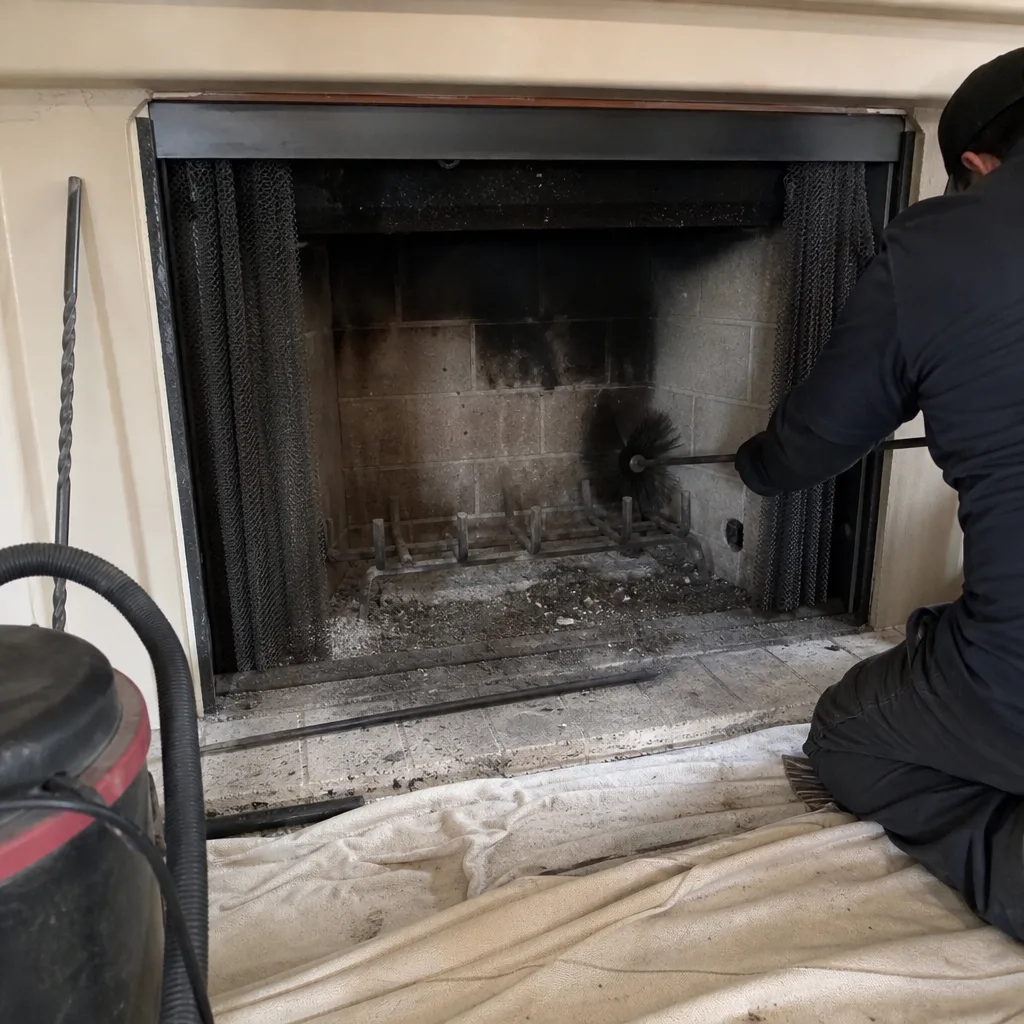 Before
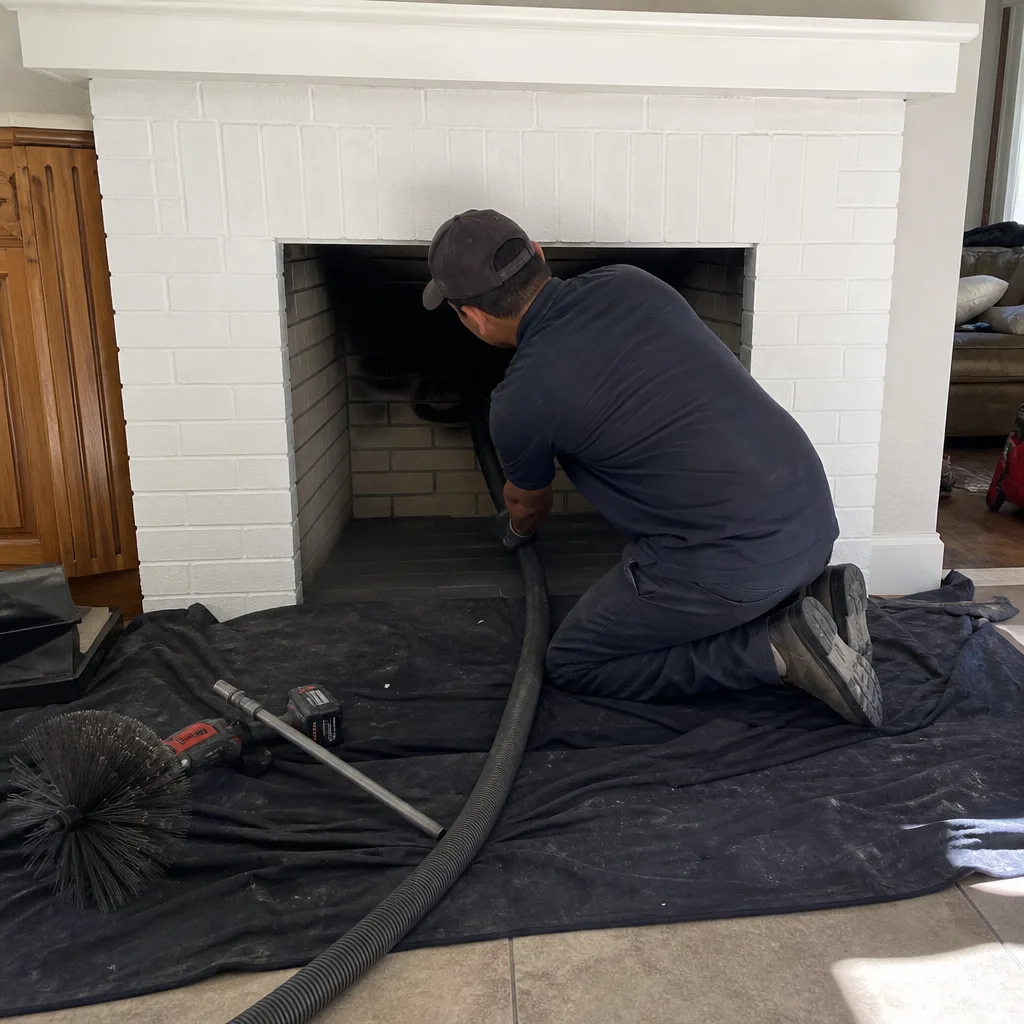 After
After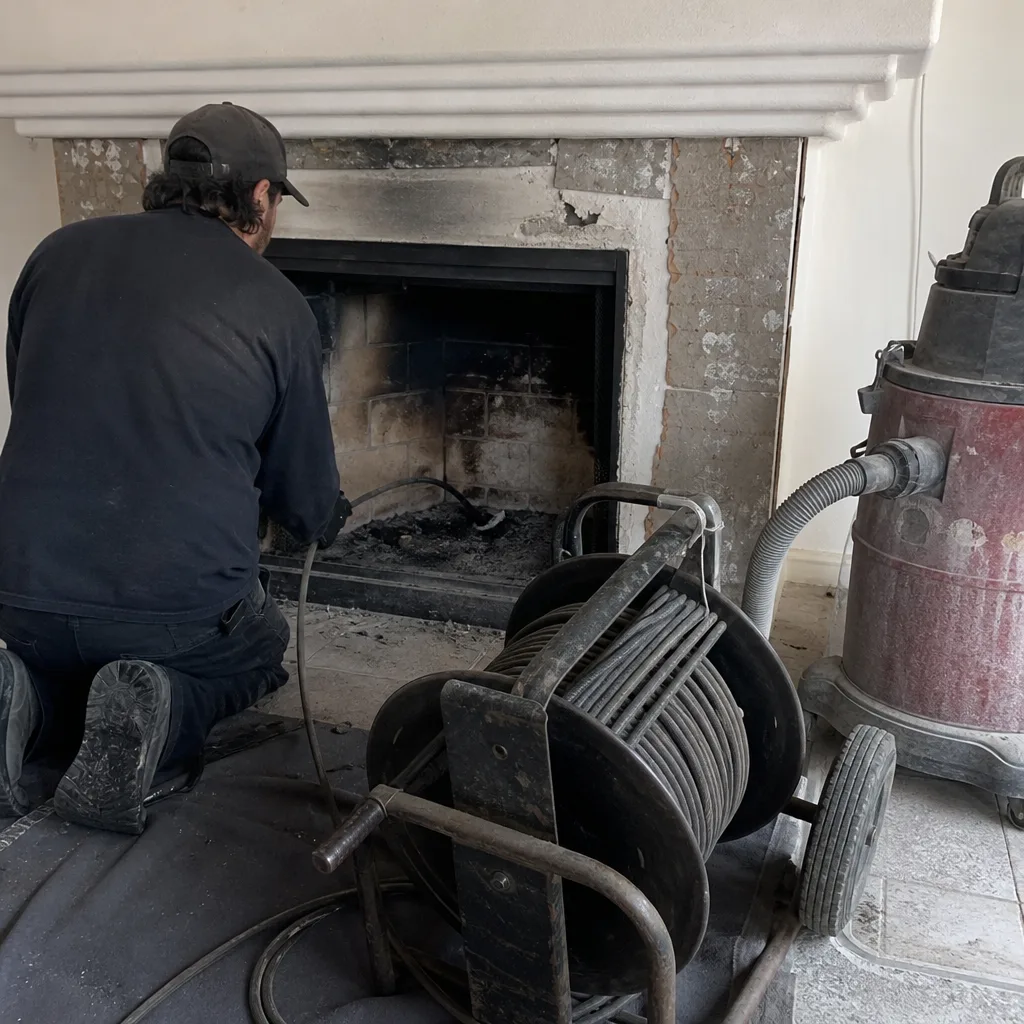 Before
 After
After Before
 After
After