

Last updated October 15, 2026
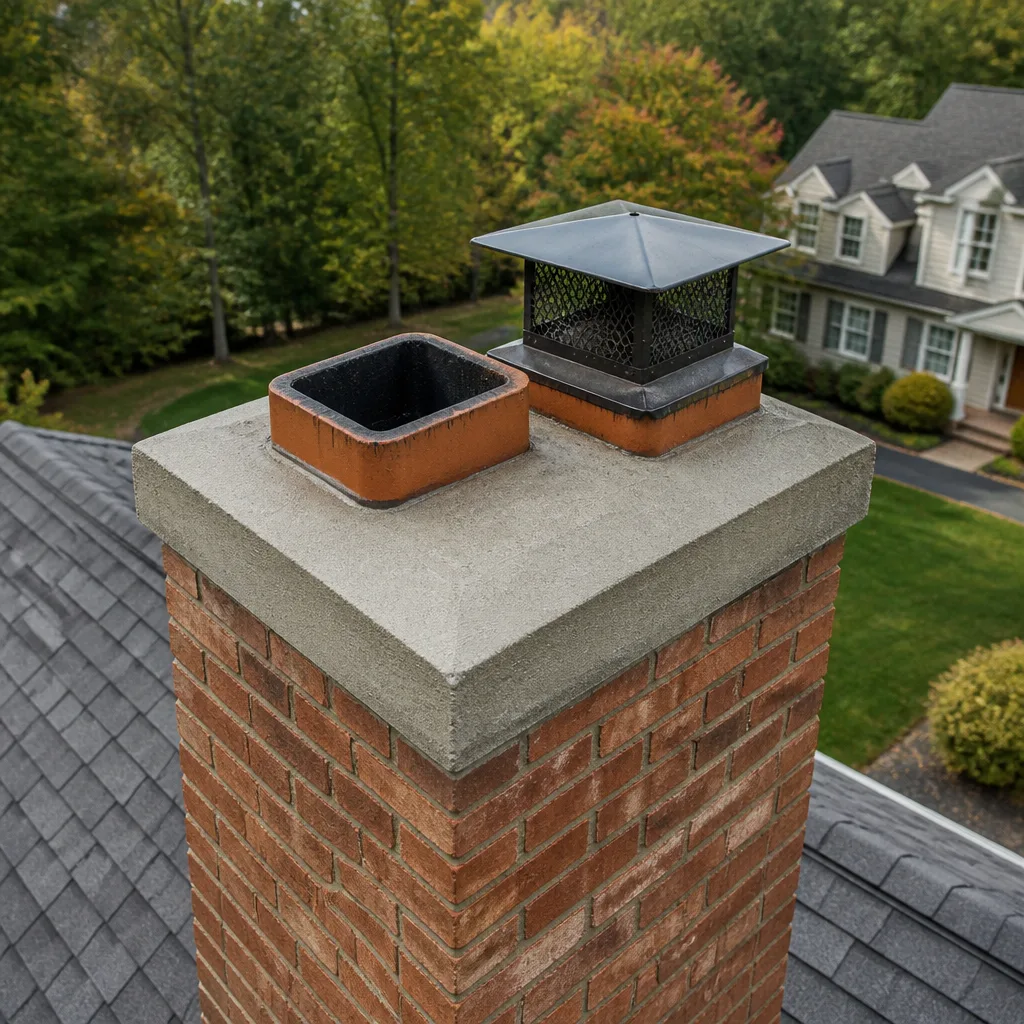 Sweep & inspection
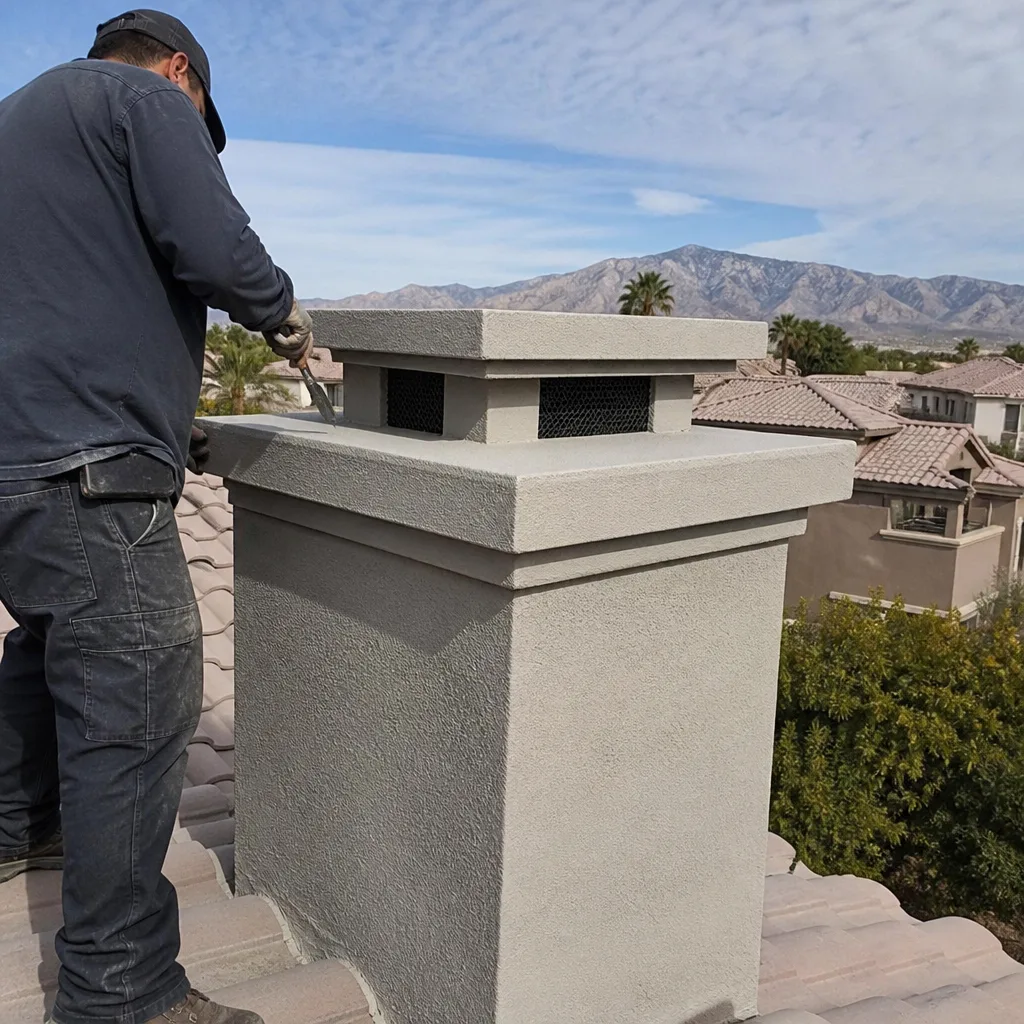
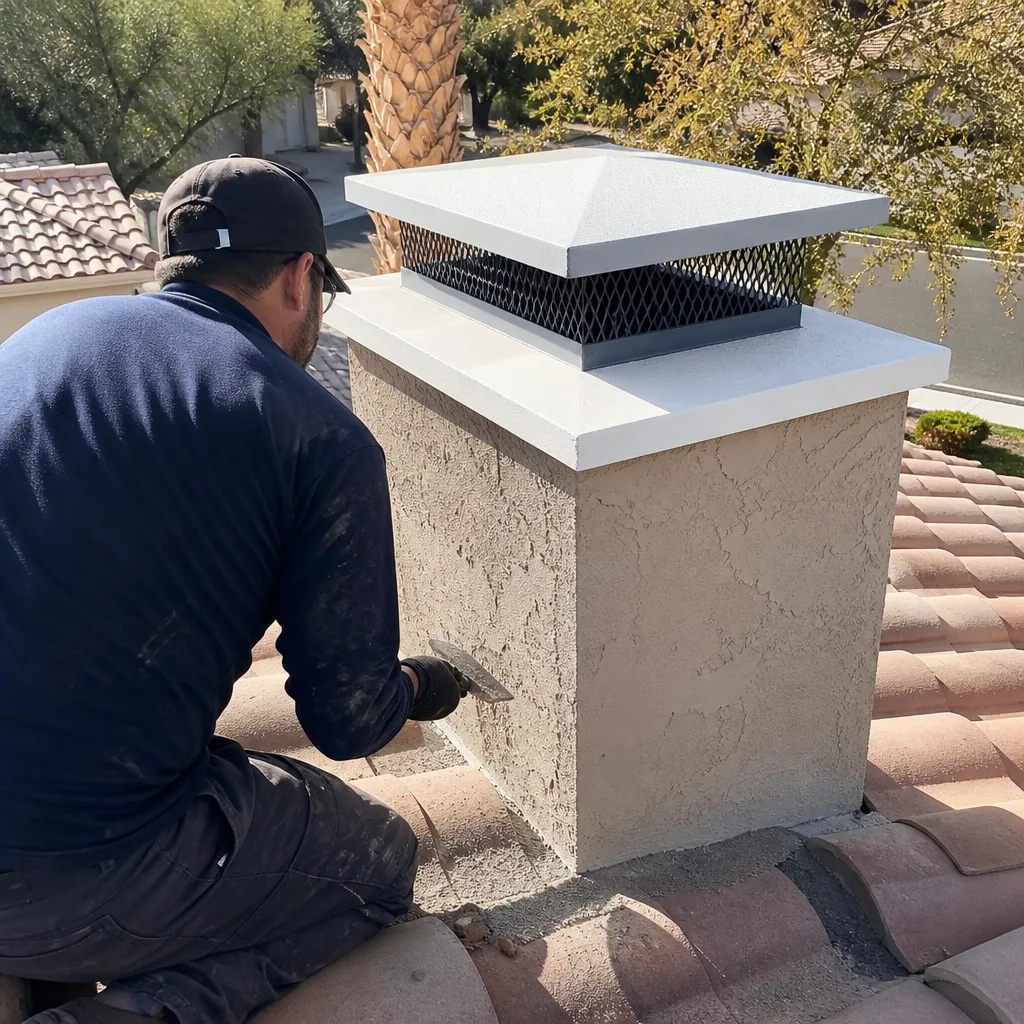
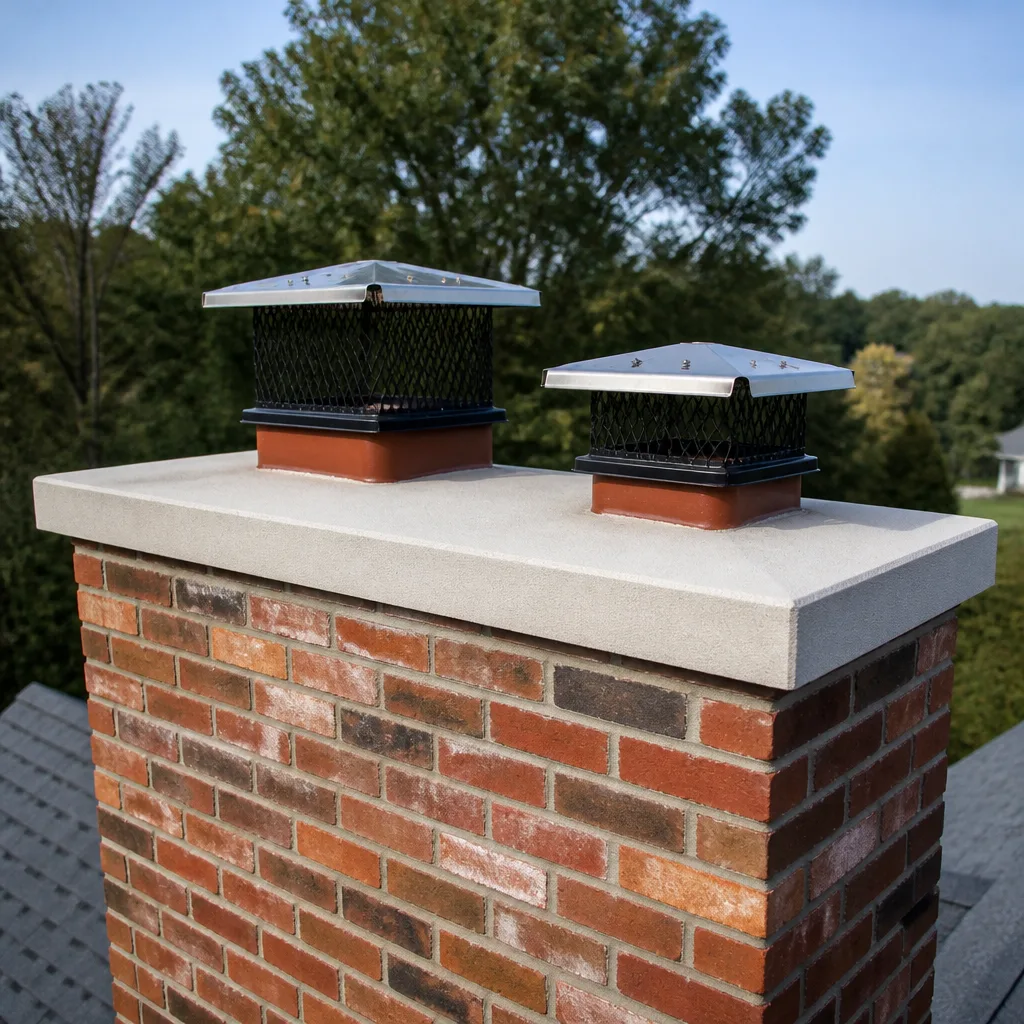 Caps & crowns
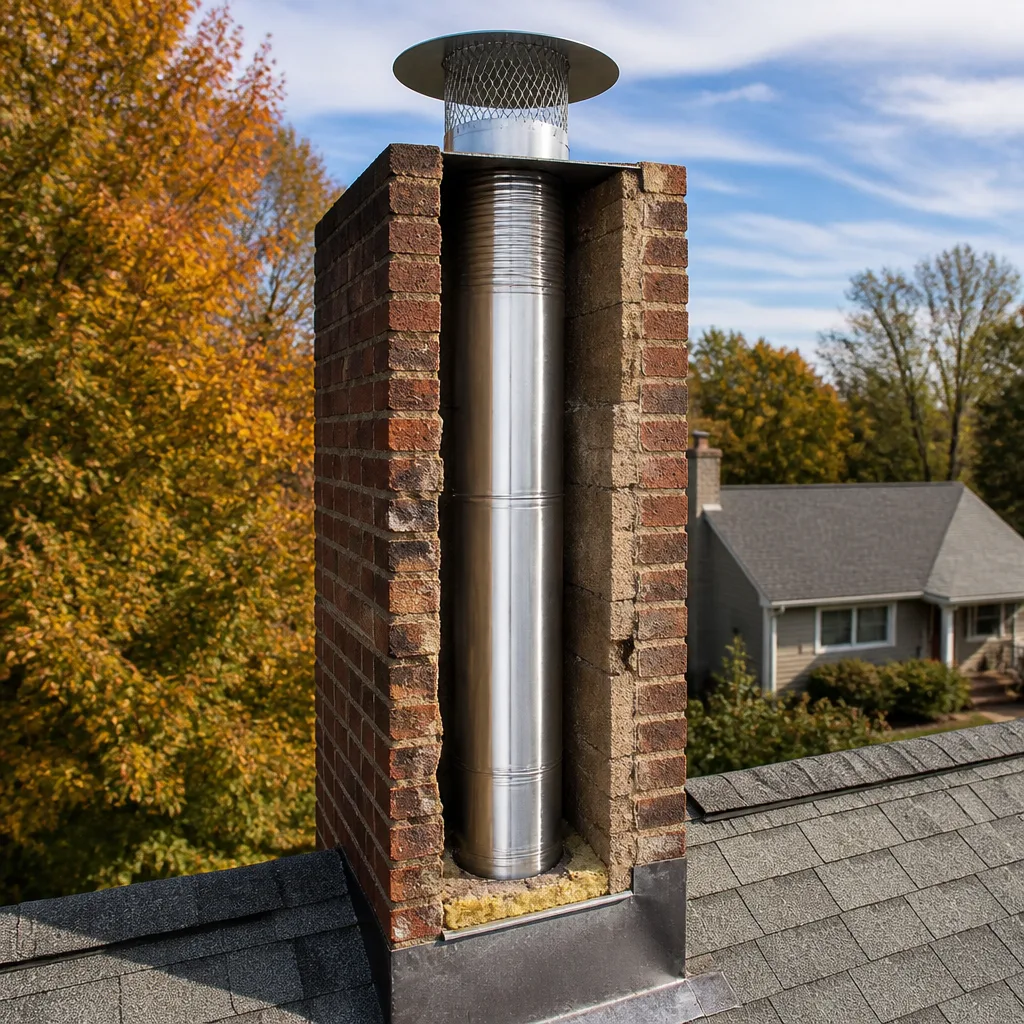 Flue relining
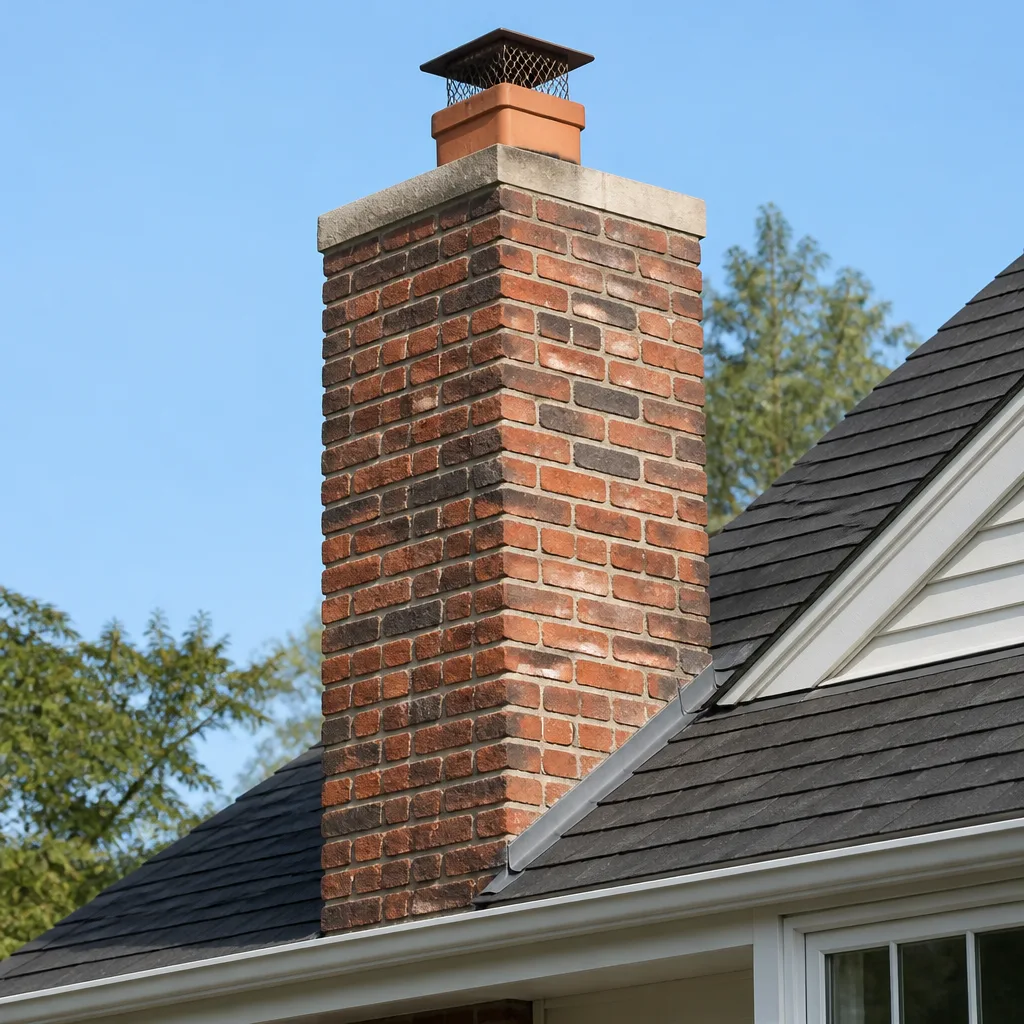 Masonry repair
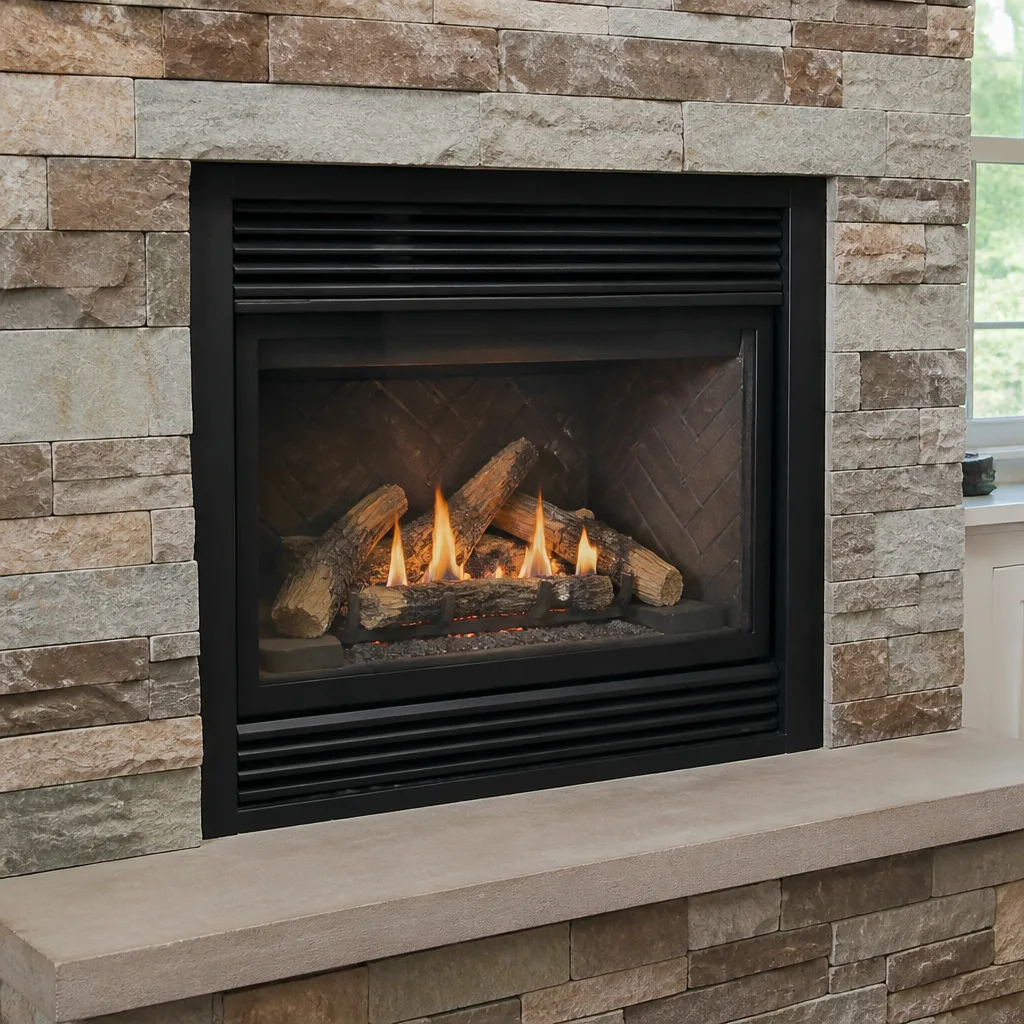 Gas fireplace service
Level 1 sweep and inspection to the NFPA 211 annual standard - flue, crown, cap, and flashing checked and photographed
Chimney sweep logs do not sweep chimneys. They loosen some creosote - which then falls where a brush and vacuum still have to collect it.
DIY vs Professional Chimney Cleaning: The Henderson Homeowner’s Decision Guide
A Henderson homeowner can physically brush a flue for about $80 in equipment. The brush spins, soot falls, and the job looks done. But if a chimney fire occurs afterward, the homeowner’s insurance company will ask for a professional cleaning record. A DIY job produces none. This guide separates what you can genuinely handle yourself from the tasks where the paper trail is the point. We’ll walk through the equipment gap, the documentation gap, and the specific risks Henderson’s prefab-heavy housing stock creates.
Quick Answer
DIY chimney maintenance is safe for exterior visual checks, cap inspections, damper testing, and basic firebox debris removal. Full flue cleaning is professional work in Henderson, not because the brushing is hard, but because a professional cleaning produces a signed inspection report, photo documentation, and a written guarantee. Those documents are what insurance companies, home inspectors, and real estate transactions actually require.
Styles & brands we work with
Table of Contents
- What Henderson Homeowners Can Safely Handle Themselves
- What a Professional Cleaning Produces That DIY Cannot
- The Equipment Gap: Rotary Systems, Cameras, and What They Reveal
- Henderson-Specific Risk: Prefab Fireboxes and Tight Tolerances
- What Chimney Cleaning Actually Costs in Henderson
- DIY Maintenance Between Professional Visits
- Common Mistakes to Avoid
- When to Call a Professional
- Frequently Asked Questions
What Henderson Homeowners Can Safely Handle Themselves
Some chimney maintenance is genuinely DIY-friendly. The key distinction is this: anything you can see, hear, or feel from outside the flue without specialized equipment is fair game. Anything requiring internal flue access is not. Here’s what that looks like in practice.
1. Exterior Visual Inspection
Walk around your house and look at the chimney from the ground. You’re checking for obvious damage: cracked or missing mortar joints, spalling brick (brick faces that flake or pop off), rusted flashing where the chimney meets the roof, and a chimney cap that’s missing, dented, or covered in debris. In Henderson, wind-driven sand and intense UV exposure accelerate cap deterioration faster than most homeowners expect. A standard galvanized cap might last five to seven years here. If yours is older than that, look closely at the mesh screen for rust-through.
Scope limit: you’re looking for visual clues only. A ground-level inspection cannot see the flue interior or the top of the chimney crown.
2. Chimney Cap Check
The cap is the perforated metal cover at the top of the flue. Its job is to keep rain, birds, and embers out while letting smoke escape. From the ground or a ladder, check that the mesh screen is intact and the cap hasn’t shifted. Henderson gets occasional haboob-level dust events that pack fine sediment into cap mesh, and a clogged cap restricts draft. If you see significant buildup, that’s a professional cleaning call, because accessing and clearing it safely involves roof work.
3. Damper Operation Test
Open and close your damper from the firebox. It should move smoothly, seal when closed, and stay open when propped. A damper that’s rusted open lets conditioned air escape all summer, which in Henderson’s 105-degree Julys means your AC works harder for nothing. A damper that won’t fully open sends smoke back into the room. Lubricating the damper hinge with a high-temperature graphite spray is a reasonable DIY task. Replacing a damper is not.
4. Basic Firebox Debris Removal
After a season of fires, the firebox floor accumulates ash, small creosote flakes, and the occasional dead wasp. You can remove this debris with a shop vac fitted with a fine-dust filter, a dust mask, and gloves. Do this cold, meaning at least 72 hours after the last fire. Bag the ash tightly before disposing, and never dump warm ash in a trash can by the house. This task keeps the firebox tidy but does not clean the flue above the damper, which is where chimney fire risk actually lives.
Scope limits, clearly stated: none of these four tasks involve entering the flue, working at roof height, touching the firebox refractory panels, or operating powered tools. When you hit those boundaries, the job changes.
What a Professional Cleaning Produces That DIY Cannot
A chimney sweep is part mechanical cleaning and part documentation. Most of the money you pay for a chimney sweep in Henderson buys the record, not just the brushing. That’s the piece a homeowner cannot self-produce.
The Signed Inspection Report
After a professional cleaning, you receive a written report describing the flue’s condition at the time of service. It names the type of chimney (masonry, prefab, or hybrid), the liner material, the creosote stage found, any damaged components observed, and the work performed. This report is dated, signed by the technician, and tied to your address.
Why that matters: insurance adjusters investigating a chimney fire claim specifically look for proof of regular professional maintenance. A logbook entry you wrote yourself carries no evidentiary weight. A report from a company that has been in operation since 2002 and is part of the Garrison Partners family does.
Photographic Documentation
A proper professional cleaning includes camera inspection of the flue interior. You receive photos showing the before condition, the after result, and any trouble spots the camera found. These photos serve three purposes: they prove the cleaning happened, they document the flue’s condition for future comparison, and they show you exactly what the technician saw. No homeowner drill-cam setup matches the clarity or reach of a professional flue camera.
A Written Guarantee
At Flint Chimney Co, every repair carries a written guarantee valid for one full year. That’s the 365-Day Done Right Promise, and it’s not a verbal assurance. If a covered repair fails within the guarantee period, a second visit happens at no charge. No homeowner running a brush up a flue can write themselves a guarantee, and no insurance company would honor one if they could.
This documentation difference is the core of the DIY vs professional decision. The cleaning itself takes a couple of hours. The evidence it produces lasts for years and holds up in claims, sales, and chimney inspections in Henderson performed for real estate transactions.
The Equipment Gap: Rotary Systems, Cameras, and What They Reveal
Consumer chimney brushes run $40 to $80. They attach to flexible rods, spin by hand, and knock loose creosote from the flue walls. They work adequately on light, flaky creosote in a straight flue. What they miss is substantial.
Rotary Cleaning Systems
Professional sweeps use rotary cleaning systems: motorized whip heads with nylon or steel lines that spin at high speed against the flue walls. This mechanical action removes the hard, tarry, second-stage and third-stage creosote that a hand brush mostly slides over. The difference is analogous to dusting a shelf versus sanding it. Light dust responds to either tool. Baked-on glaze requires rotary action.
Camera Inspection
The flue is a vertical tunnel you can’t physically enter. A camera reveals what the brush touched and what it missed: cracks in clay tile liners, gaps between sections, water staining, animal nests, and structural shifts. This is the chimney inspection component that separates maintenance from necessary repair. In our experience, roughly one in five Henderson chimneys we inspect shows a defect the homeowner had no way to detect, because the symptom was invisible from the firebox.
What Consumer Kits Miss
- Third-stage glazed creosote, which a hand brush cannot remove and which represents the highest chimney fire risk
- Liner cracks and spalling that only camera magnification reveals
- Animal nests or partial blockages above the damper plate
- Prefab chimney inner-wall separation, a dangerous condition invisible without camera access
- Moisture intrusion signs that indicate flashing or crown failure
One specific gear note: professional chimney companies specify materials by job. At Flint Chimney Co, we work with HeatShield for flue joint repair, Gelco for crown sealing, and Olympia Chimney for cap and chase cover systems. A consumer kit from a hardware store contains none of these materials and cannot perform the repairs the camera often identifies.
Henderson-Specific Risk: Prefab Fireboxes and Tight Tolerances
Henderson’s residential growth happened largely between 1990 and 2010, a period when builders standardized on prefabricated, zero-clearance fireplaces in tract developments. Walk through Green Valley, Anthem, Seven Hills, or Inspirada, and most chimneys you see are factory-built metal systems, not masonry brick stacks.
This matters for the DIY question because prefab chimneys have tighter performance tolerances than masonry ones. The inner liner is usually stainless steel within an insulated metal chase. Creosote buildup on a prefab liner narrows the already-smaller flue diameter faster, which means draft degrades sooner. More critically, the components are rated for specific temperature limits. A homeowner using an aggressive cleaning method or an incorrectly sized brush can damage the liner, and a damaged prefab liner in a zero-clearance unit is a repair, not a convenience issue.
Masonry chimneys, the brick stacks found in Henderson’s older areas like Pittman and Water Street, are more forgiving of neglect and more tolerant of hand cleaning. But they’re also fewer in number, and their clay tile liners present their own crack-prone failure mode in Henderson’s freeze-thaw-free but aggressively hot climate.
The practical takeaway: the most common chimney type in Henderson is the one with the least DIY tolerance. A thorough brushing is fine. An aggressive one is not. A professional who has cleaned thousands of these systems in this market knows the difference.
What Chimney Cleaning Actually Costs in Henderson
You should never have to call just to learn a ballpark. Here are the numbers.
A standard chimney sweep and inspection in Henderson typically runs $189 to $350. The range breaks down like this:
- $189 – $250: Standard sweep on a masonry chimney with light creosote, cap and damper check included
- $250 – $350: Prefab or zero-clearance system sweep, which requires more disassembly and careful reassembly
- $150 – $300 additional: Camera inspection if the chimney hasn’t been inspected in five-plus years or shows signs of distress
- $350 – $800: Heavy creosote removal or animal nest extraction, which adds labor and disposal time
- $2,500 – $7,000: Flue relining, which is a repair triggered by camera findings, not routine maintenance
Those repair figures are where the documentation question gets real. A homeowner who has skipped professional sweeps for a decade may face a relining cost they weren’t expecting. But a documented history of professional service creates an evidence trail showing the condition was monitored over time.
At Flint Chimney Co, every job gets a written price before any work starts. The number on the invoice is the number approved before the first tool comes off the truck. That’s a Garrison Partners standard, and it means you’ll never stand in your driveway deciding whether to accept a price you just heard for the first time.
DIY Maintenance Between Professional Visits
The right DIY strategy in Henderson is not replacement. It’s spacing. You can stretch the interval between professional sweeps by doing the small, safe things yourself, and doing them consistently.
- Check the cap monthly during fire season. Henderson dust storms load cap mesh with fine particulates quickly. A visual ground check takes 30 seconds.
- Test the damper before the first fall fire. Open and close it three times. Listen for grinding or resistance. If it’s stiff, a graphite spray helps. If it’s rusted through, call a professional.
- Remove firebox ash after every four to six fires. This prevents ash from piling up against the back wall and retaining moisture, which accelerates firebox deterioration.
- Check for water stains on the ceiling around the chimney after heavy rain. Henderson’s monsoon season is brief but intense. A water stain means flashing or crown failure is active.
- Burn dry, seasoned wood. Wet or green wood produces creosote at two to three times the rate of seasoned wood. In Henderson’s dry climate, wood properly stacked and covered seasons in six to eight months.
These tasks reduce how much creosote accumulates between professional visits, but they don’t clean the flue. They’re maintenance, not replacement, and no contractor guarantee is voided by performing them. What would void a guarantee is attempting an internal flue cleaning with home equipment after a professional repair, because that introduces uncontrolled variables into a system the warranty covers.
If you’re between professional visits and notice the firebox smells like asphalt or the smoke spills back into the room when you open the door, schedule a chimney sweep in Henderson sooner rather than later. Those are symptoms of airflow restriction, not cosmetic issues.
Common Mistakes to Avoid
- Assuming a visual check equals a clean chimney. The firebox can look tidy while the flue above the damper is coated in third-stage creosote. The dangerous part is the part you can’t see.
- Using a drill brush kit without knowing the flue diameter. Henderson’s prefab chimneys have specific liner dimensions. An oversized brush damages the liner, and liner damage in a zero-clearance system is a structural problem.
- Thinking creosote logs replace cleaning. Creosote sweeping logs are chemical treatments that loosen some deposits. They do not remove creosote and they do not produce documentation. Using one and skipping the sweep is the single most common false security we see in Henderson.
- Waiting until October to book. Every Henderson chimney company is booked solid from October through January. A professional cleaning in August means you’re ready when the first cold night arrives, without competing for a slot.
- Throwing away the invoice. The invoice from a professional sweep is your insurance documentation. File it with your home records. When a claim or sale happens, you’ll need it.
- Assuming a new home means a clean chimney. New construction chimneys collect dust, debris, and sometimes builder waste during the construction process. A sweep before first use is cheap insurance.
- Choosing a chimney company by lowest bid alone. The invoice price is not the total cost if the company no-shows, renegotiates at the door, or leaves a mess. Henderson homeowners who’ve been through that once tend to value discipline over discount.
When to Call a Professional
You’ve hit the professional boundary when you see any of these conditions:
- Visible creosote coating thicker than 1/8 inch on the firebox walls or damper
- Smoke spilling into the room during normal operation
- A strong asphalt or tar smell coming from the firebox, especially in warm weather
- The damper won’t stay open or won’t fully close
- You hear animals or debris falling inside the flue
- Water stains appearing on the ceiling near the chimney
- Your home sale or insurance renewal requires a professional chimney inspection
These aren’t DIY situations, and none of them improve by waiting. Flint Chimney Co Henderson offers free estimates throughout Henderson, including Anthem, Green Valley, MacDonald Ranch, and Inspirada. Call (775) 375-4267 and a live person answers, 24 hours a day. No voicemail tree, no callback form.
Frequently Asked Questions
A standard chimney sweep in Henderson typically runs $189 to $350, with the higher end applying to prefab or zero-clearance fireplace systems that require more disassembly. Heavy creosote removal or animal extraction can push the job over $500. Every Flint Chimney Co job receives a written price before work begins. Call (775) 375-4267 for a free estimate with an exact quote.
The National Fire Protection Association recommends annual inspection, with cleaning frequency based on actual use. A Henderson homeowner who burns one cord of seasoned wood per winter might sweep every other year. A homeowner burning three cords of mixed or partially seasoned wood needs annual cleaning. The camera inspection during a professional sweep tells you which camp you’re in.
A chimney fire fueled by creosote burns hot enough to crack flue liners, damage prefab chimney assemblies, and spread to the roof structure. Even if the fire is contained, the insurance adjuster will request maintenance records in most cases. A documented history of professional cleaning supports your claim. A DIY history does not, because it produces no third-party verification.
You can physically run a brush up your flue, and on a masonry chimney with light creosote, it will remove some deposits. What the kit can’t do is inspect the flue interior with a camera, remove glazed creosote, or produce the documentation that insurance and real estate transactions require. In Henderson, where most fireplaces are prefab, the risks of an incorrectly sized brush outweigh the savings.
A standard professional chimney sweep and inspection takes 45 to 90 minutes. Prefab systems run toward the longer end because the technician disassembles interior components for access. A sweep with camera inspection adds 20 to 30 minutes. We book specific arrival windows and use uniformed, background-checked technicians on every call.
At Flint Chimney Co, the sweep and the repair are separate services, but the sweep often identifies repair needs. We perform chimney repair in Henderson using HeatShield for flue joint repair, Gelco for crown sealing, and Olympia Chimney for cap systems. Every repair carries our 365-Day Done Right Promise: a written guarantee valid for one full year, with a free return visit if a covered repair fails.
A professional cleaning report includes the flue type and condition, creosote stage found, any defects observed during camera inspection, work performed, and photographic documentation. The report is signed, dated, and tied to your property. This is the document insurance companies and home inspectors want to see, and it’s the primary reason DIY cleaning can’t replace professional service in Henderson.
The Bottom Line
The DIY vs professional chimney cleaning question has an honest answer in Henderson. The DIY-safe tasks are exterior checks, damper testing, and basic firebox cleaning. The flue interior is professional territory, not because the brushing is technically hard, but because documentation, camera verification, and warranty coverage only exist on the professional side. An $80 brush kit saves money today and costs leverage later. A professional sweep costs $189 to $350 and produces the paper trail that matters when it matters. Call Flint Chimney Co Henderson at (775) 375-4267 for a free estimate, a written price before work begins, and a guarantee that lasts a full year.
Written by Hank Delano, Owner at Flint Chimney Co Henderson, serving Henderson since 2002.
See the difference
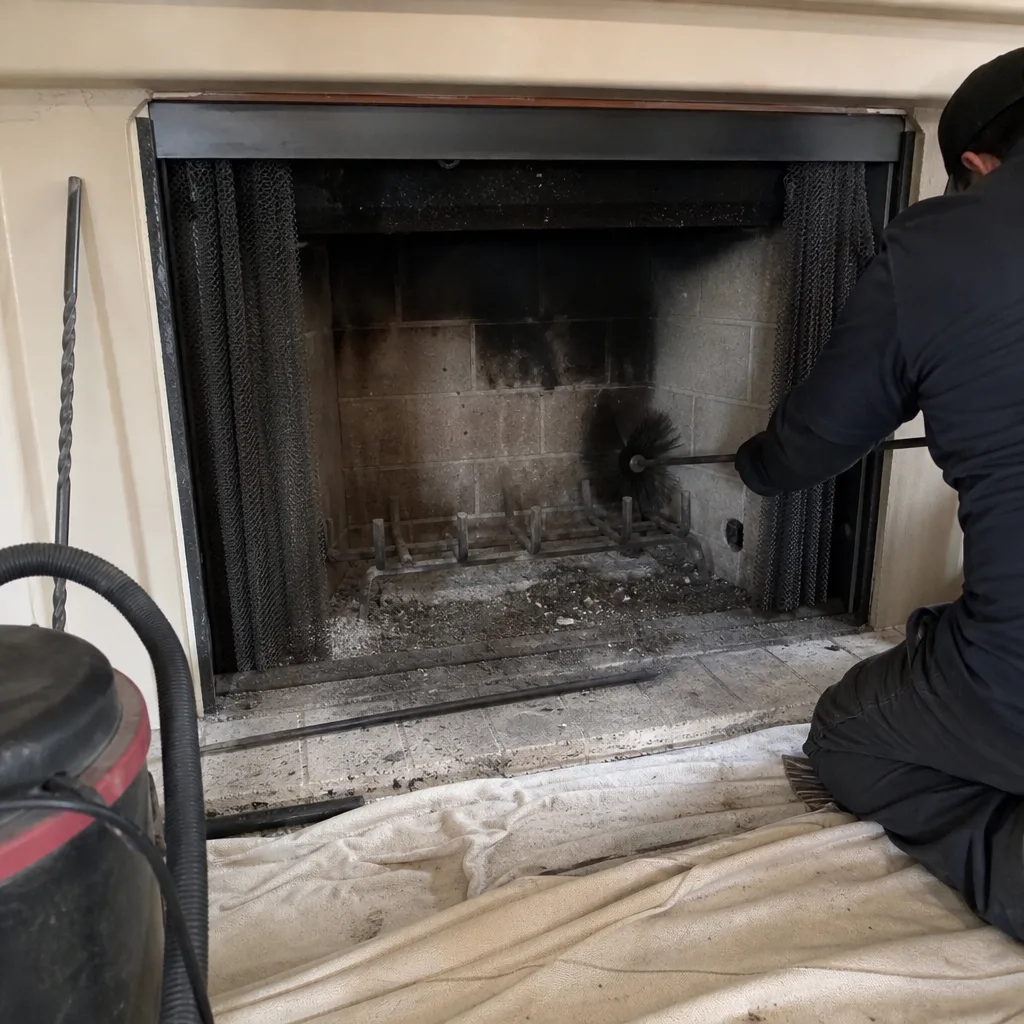 Before
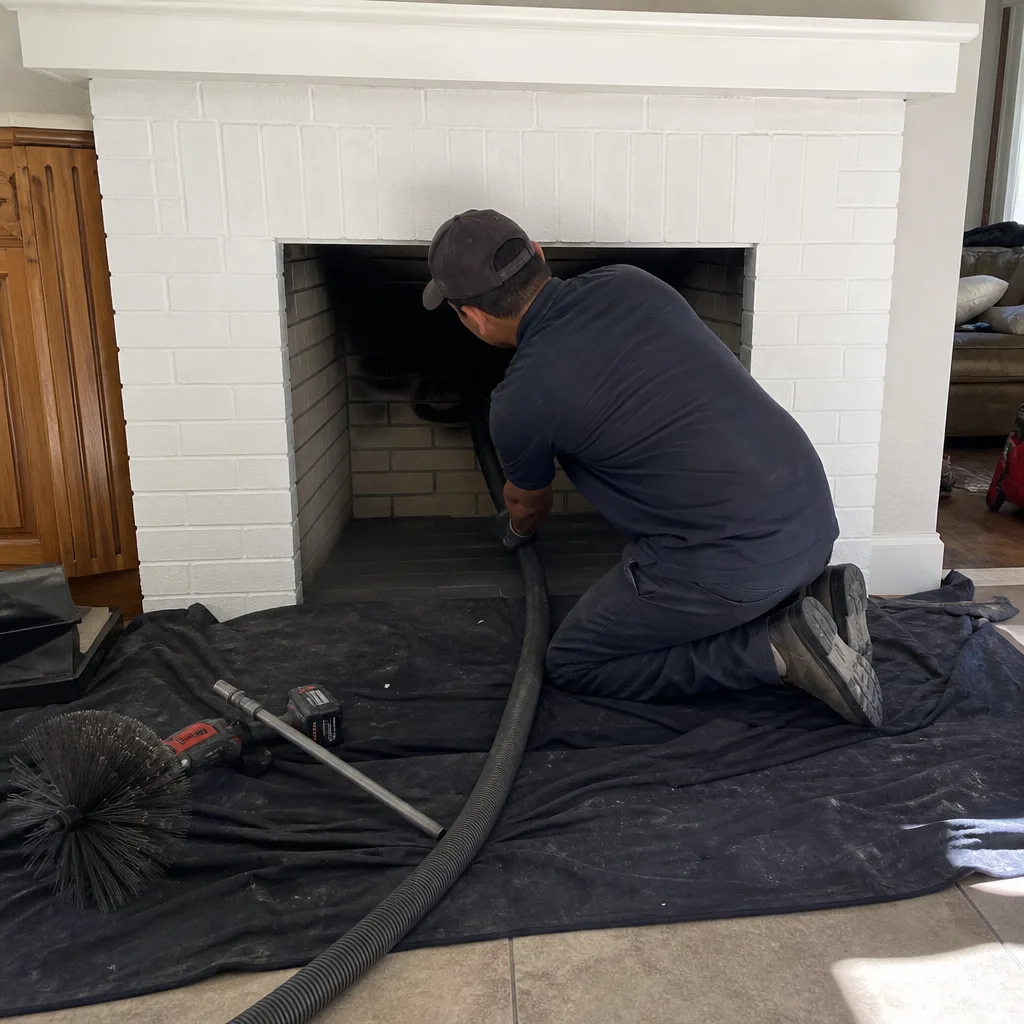 After
After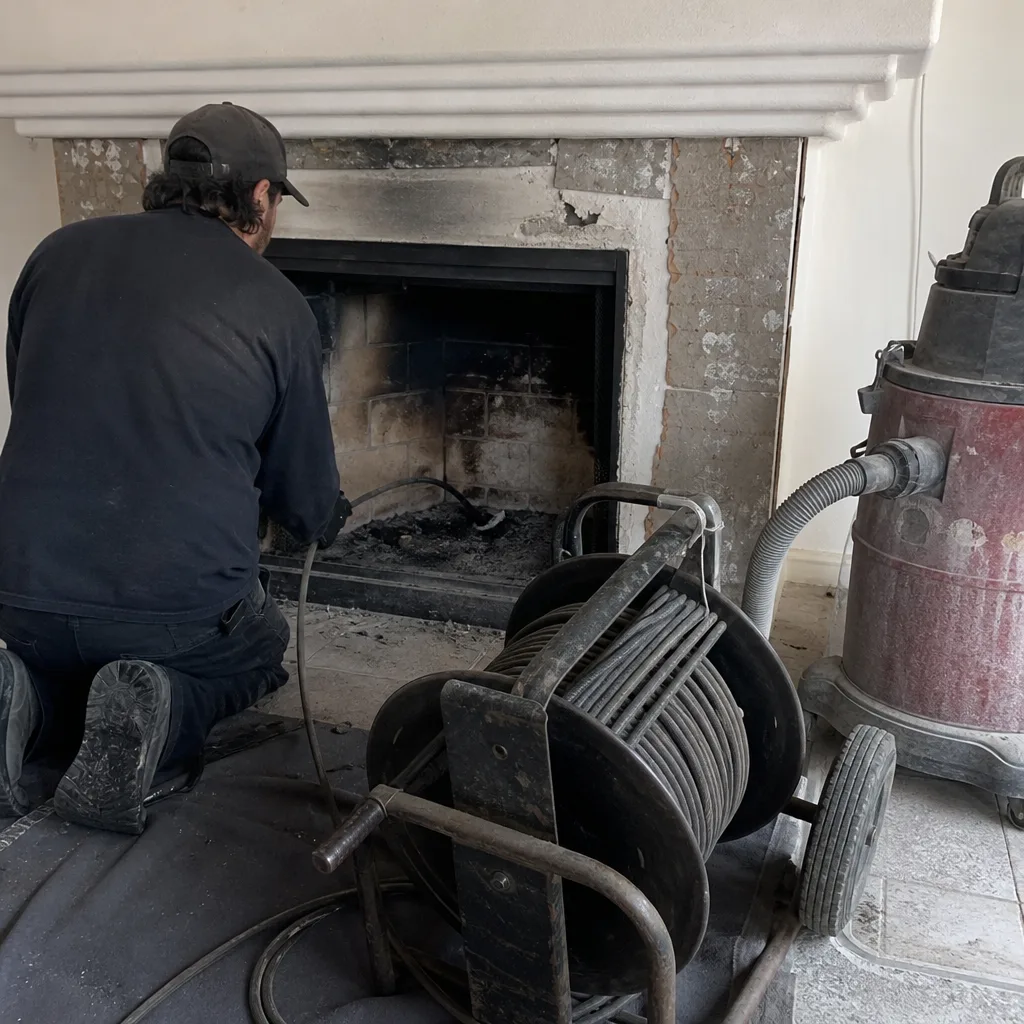 Before
 After
After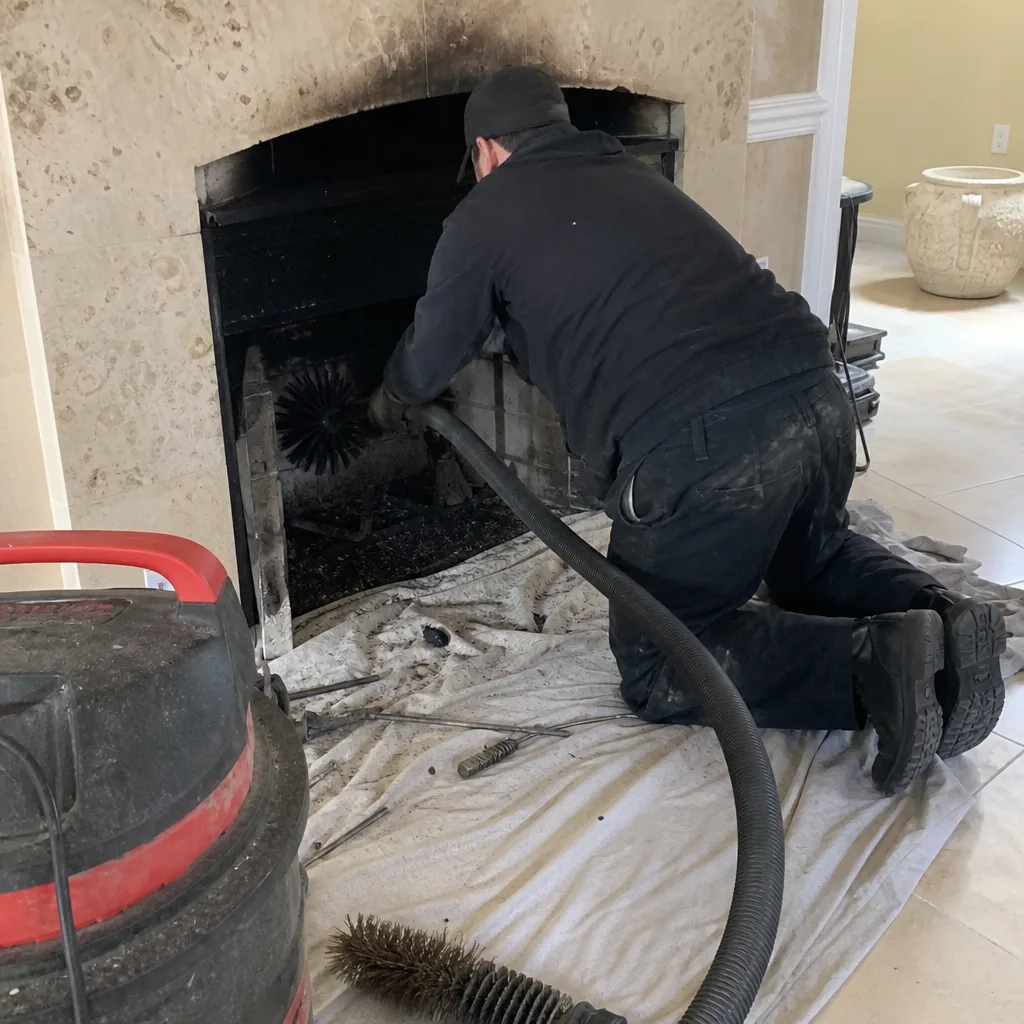 Before
 After
After